Scalable whole-home generator systems offer households a reliable solution to energy security issues. These systems provide substantial backup power during outages, giving homeowners peace of mind. Additionally, they are tailored to meet varying energy needs, adapting as those needs grow. Unlike traditional generators, scalable systems seamlessly integrate with modern homes, enhancing both energy efficiency and grid independence. They deliver power through multiple sources, including solar, battery, and advanced generators, ensuring sustainable use. By implementing these advanced systems, families can manage their energy consumption effectively while contributing to a greener planet.
Why Scalable Generator Systems Improve Home Energy Security?
Reliable Backup Power During Grid Outages
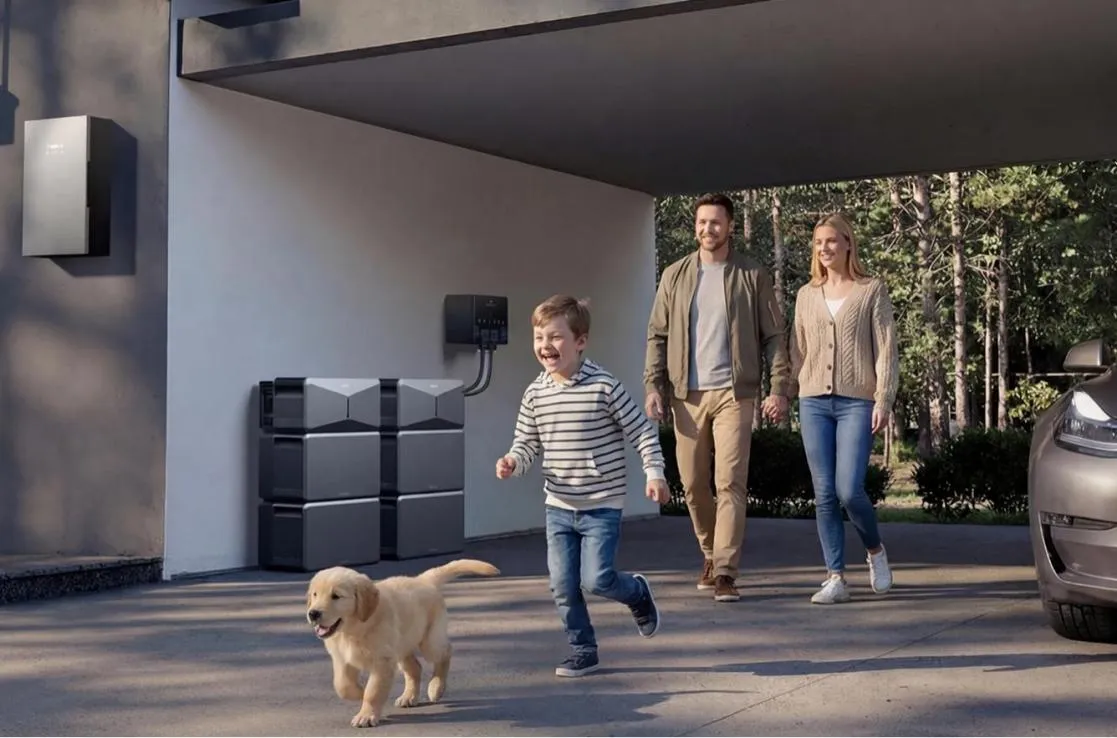
Scalable whole-home generator systems excel in providing reliable backup power during grid outages, a crucial factor for energy security. For instance, the Anker SOLIX E10 ensures homes stay powered by integrating a battery, solar, and smart generators. With an E10 system, homeowners benefit from up to 30kWh of power per unit, expandable to 90kWh, addressing varying energy demands. The system delivers a 10kW turbo output for up to 90 minutes and a consistent 7.6kW output, managing both peaks and constant power needs. By offering such versatility, these systems make certain that even during extended outages, homes remain unaffected, thus easing any disruption to daily life.
Greater Energy Independence and Reduced Grid Dependence
Achieving energy independence is simpler with scalable generator systems. These systems reduce reliance on the traditional grid by leveraging various power sources like solar panels and high-capacity batteries. This autonomy ensures that energy is consistently available, even when the grid fails. The Anker SOLIX E10, for example, can grow with household energy needs, meaning it allows homeowners to draw less from the main grid over time. By using a mix of solar and generator power, families enjoy a more robust and reliable power system. Ultimately, reducing grid dependence not only enhances energy security but also supports clean energy adoption.
Long-Term Cost Efficiency and Sustainable Energy Use
Investing in scalable whole-home generator systems can lead to significant long-term cost savings and promote sustainable energy usage. These systems are designed to maximize efficiency by using renewable energy sources alongside traditional power. For instance, leveraging solar power reduces electricity bills and minimizes environmental impact. The scalability of systems like the Anker SOLIX E10 ensures that families only pay for the capacity they need, avoiding resource waste. As energy prices fluctuate, these systems buffer homeowners from sudden hikes, providing economic stability. Over time, the sustainable nature of these setups fosters both financial savings and environmently friendly living.
Core Features of Modern Scalable Whole-Home Generator Systems
Modular Battery Expansion for Growing Power Needs
Modern scalable whole house generator systems, such as the Anker SOLIX E10, feature modular battery expansion, which meets evolving energy demands. As families grow or invest in energy-intensive technologies, their power needs increase. With systems like the E10, homeowners can expand from the initial 10kW turbo output up to 30kW with additional units. This modularity ensures they only use the resources necessary for their current needs, without overspending on energy. Consequently, it offers a customized, flexible solution for households aiming to adjust power supply according to real-time usage and scales with the changing dynamics of family life.
Smart Energy Management and Home Integration
Smart energy management is a critical feature of scalable home generator systems. These systems seamlessly integrate with smart home technology to optimize energy use. They intelligently regulate power distribution across a household, prioritizing critical systems and appliances. This integration not only conserves energy but also enhances convenience for users. The smart interfaces allow homeowners to monitor usage via mobile apps, making real-time adjustments that improve efficiency. By incorporating smart energy solutions, households can ensure that their energy systems respond dynamically to changes, maximizing performance and minimizing waste.
Hybrid Power Sources: Solar, Battery, and Generators
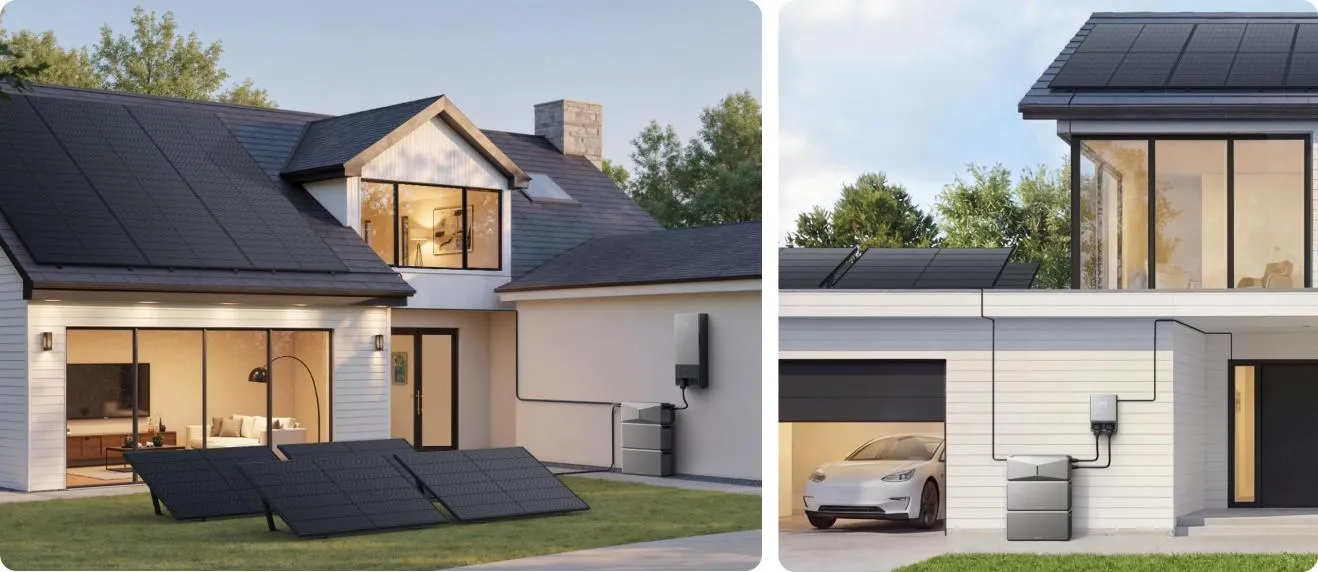
The use of hybrid power sources like solar, battery storage, and generators enhances the functionality of whole-home generators. Systems such as the Anker SOLIX E10 utilize this hybrid approach to deliver consistent power. Solar panels contribute renewable energy during daylight, reducing reliance on traditional fuels. Batteries store excess energy, ensuring a reserve for nighttime or cloudy days. When demand peaks or in prolonged outages, integrated generators provide supplemental power. This hybridization allows a balanced, efficient energy system capable of meeting various scenarios. By diversifying power sources, these systems offer an effective strategy for sustainable and reliable energy security.
Conclusion
In conclusion, scalable whole-home generator systems provide significant advantages in energy security, independence, and sustainability. Their ability to deliver reliable backup power ensures peace of mind during outages. With modular expansion, smart energy management, and hybrid power sources, these systems adapt neatly to different household needs. As examples like the Anker SOLIX E10 demonstrate, they help reduce grid dependence and long-term costs while promoting green energy usage. Homeowners investing in such systems take control of their energy future, enhancing efficiency and environmental responsibility. Ultimately, scalable solutions are essential for modern households aiming for stability and sustainability.