
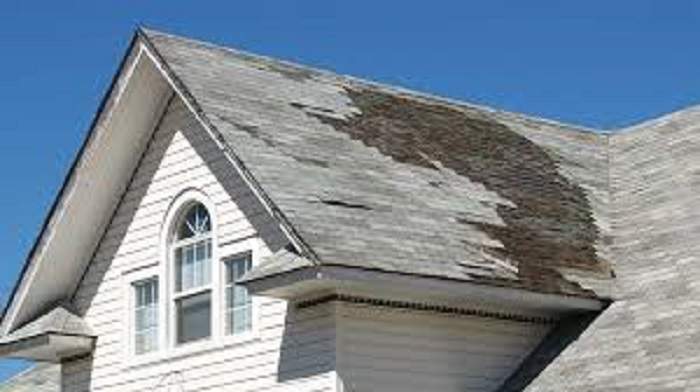
Storms in Minnesota can be rough on a roof, especially when hail, wind, rain, and ice arrive in the same season. A roof may look fine from the ground after severe weather, but small signs can still point to damage. A careful check helps homeowners catch roof problems before water reaches the attic or living space.
Some storm damage appears right away, while other issues show up after the next heavy rain. Homeowners looking for Roof storm damage repair in Minnesota should pay attention to the roof surface, gutters, flashing, and indoor ceilings. These five signs can help show when a roof needs a closer inspection.
1. Missing Or Lifted Shingles
Strong wind can damage shingles, shift them out of place, or pull them from the roof deck. When shingles lift, the layer beneath loses part of its protection against rain and melting snow. Even one open area can let moisture move under nearby shingles.
After a storm, raised edges and bare spots deserve a closer look from the ground. A roofer can check if the shingles need securement, replacement, or a larger roof repair. Quick attention keeps the damage contained and helps the roof handle the next storm.
2. Hail Dents On Shingles Or Metal Parts
Hail can leave round dents, dark bruises, or soft spots on asphalt shingles. Metal vents, flashing, gutters, and trim may also show small impact marks after a strong hailstorm. These marks matter because they show where the roof surface absorbed heavy force.
Damage from hail can weaken shingles even when the roof does not leak right away. A Minnesota roof inspection can find the areas where impact marks need repair in Minnesota. Once those spots are addressed, the roof can shed water more reliably during rain and snowmelt.
3. Granules In Gutters Or Downspouts
Shingle granules act like a protective coating against the sun, rain, and daily wear. After severe weather, extra granules may collect in gutters, downspouts, or near the base of the home. Dark patches on shingles can also appear when the surface loses too much coverage.
Granule loss is worth checking because it can shorten the useful life of the shingles. A storm damage roof check can show how much protective surface still remains. From there, a roofer can decide if spot repair or shingle replacement makes sense.
4. Water Stains On Ceilings Or Walls
A roof leak can show indoors as brown stains on ceilings, upper walls, or attic wood. Paint may bubble, drywall may feel soft, and insulation may feel damp after a heavy storm. These signs usually mean water has already found a path through the roof system.
The source of a leak may sit above the stain, but water can also travel along rafters before it appears inside. A roof damage repair visit in Minnesota can trace the moisture back to the damaged shingles, flashing, or roof edge. Once the entry point is sealed, the home has stronger protection during the next round of weather.
5. Damaged Flashing, Gutters, Or Roof Edges
Flashing helps protect roof joints around chimneys, valleys, skylights, and vents. Storms can bend these pieces, loosen sealant, or shift metal out of place. Gutters and roof edges can also pull away after strong wind, hail, or heavy ice.
These parts guide water away from seams, corners, and other vulnerable areas. When they move out of position, water can reach places that shingles alone cannot protect. A detailed roof storm inspection can catch these issues early and help prevent bigger repair needs.
Storm damage can show up as missing shingles, hail marks, loose granules, indoor stains, or bent roof parts. For Roof storm damage repair in Minnesota, quick attention helps keep the home dry and protected. A trained roofer can inspect the full system, explain the damage in plain language, and recommend the right repair steps. After severe weather, a simple inspection gives homeowners a clear answer and helps the roof stay ready for the next storm.