Ever looked around your house and thought, “When did everything start falling apart?” One day it’s a loose tile, then the sink won’t shut off, and next thing you know, the deck’s rotting under your feet. With inflation biting into everything from eggs to plywood, it’s easy to stall and let problems pile up. In this blog, we will share a straightforward guide to home improvements that actually make a difference—and won’t leave you broke or overwhelmed.
Think Beyond Your Walls
Home improvement doesn’t stop at the front door. In fact, a lot of problems start outside. Over the last few years, more homeowners have dealt with damage from poor drainage, failing gutters, and landscaping that looks good but funnels water straight into the foundation. Extreme weather isn’t some fringe event anymore—it’s part of owning a house.
If you’ve got a yard, walk it during or after a storm. See where water collects. Check if your gutters overflow or if runoff pools against the siding. These are the kind of issues that quietly erode a house’s stability. French drains, gravel trenches, and proper grading aren’t glamorous, but they redirect thousands of gallons away from your home during heavy rain.
Start With What’s Actually Failing, Not What’s Trending
Before splurging on aesthetic upgrades, it makes more sense to tackle what’s quietly breaking down behind the scenes. And lately, the number of people reporting water-related damage has skyrocketed. Leaky pipes, soaked insulation, failed sump pumps—these aren’t Instagram-worthy problems, but they’re the ones that wreck your home from the inside out.
That’s where reliable help matters. Companies like Hydro Heroes are doing the kind of work most folks don’t see until they’re ankle-deep in it. Think certified pros who don’t cut corners, fix the root of the problem, and actually know what they’re doing. It’s not just about drying things out; it’s about preventing bigger issues like mold, rot, and structural damage. You don’t always need a full remodel—sometimes, you just need someone who can shut off a mess before it spreads.
If you’re noticing moisture near walls, musty smells, or warped baseboards, don’t ignore it. The longer it sits, the more it costs. And insurance rarely covers it all. Find problems early, get the right people in, and focus on making your house solid before making it stylish.
Skip the Eye Candy, Invest in Resilience
The temptation to chase trends is strong. Everyone’s seen those open-concept kitchens with brass fixtures and waterfall counters. But if you live in an older home, your money’s better spent updating the things you can’t post: plumbing that doesn’t rattle, wiring that won’t start a fire, windows that don’t leak heat like a busted thermos.
Last winter proved how fragile homes can be. Power grids buckled under cold snaps, pipes froze and burst in places where they never used to, and suddenly everyone remembered their water heater lives in a poorly insulated garage. If the bones of your home can’t handle a hard freeze or a heat wave, no amount of backsplash will make it livable.
Start with insulation. Not the kind that makes you feel warm inside metaphorically, but actual dense-packed, energy-efficient insulation in your attic and crawlspace. Seal air leaks. Replace weather stripping. Upgrade your thermostat to one that doesn’t belong in a museum. Small improvements like these change how your house handles temperature swings—and reduce monthly bills at the same time.
No, it’s not exciting. But neither is an emergency plumber charging triple because the copper pipes finally cracked. Modernizing systems quietly improves life every day, even if no one claps for it.
Focus On Function Before Finishes
There’s a reason kitchens and bathrooms are the most remodeled rooms. People spend time there. But somewhere along the way, we stopped thinking about how they work and focused on how they look. People forget that a kitchen is a workspace. If you’ve ever tried to cook dinner while your partner is unloading the dishwasher and a kid’s grabbing cereal, you already know what a bad layout feels like.
Fixing this doesn’t mean ripping everything out. A kitchen can be overhauled in stages. Start with drawer glides that don’t jam and lighting that lets you actually see what you’re cutting. Switch out old hardware. Replace one appliance at a time, starting with whatever’s dying first. A working dishwasher is more useful than floating shelves you saw on Pinterest.
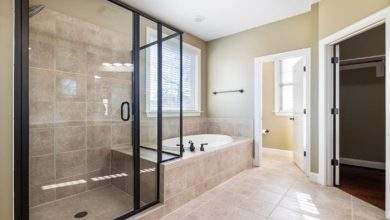
Same goes for bathrooms. If the grout’s falling apart and the fan sounds like it’s chewing gravel, you don’t need a spa. You need repairs. Make things work. Replace fixtures that drip. Add a GFCI outlet where there isn’t one. Improve ventilation so mold doesn’t creep in. Once those things are handled, then think about swapping out that fake marble countertop from the 90s.
Adapt Rooms for the Way You Actually Live
The pandemic forced people to live in their homes differently. Spare bedrooms became offices. Dining rooms became classrooms. Garages became gyms. And now that remote and hybrid work are sticking around, homes have to do more than they used to. That means rethinking layout and function without adding square footage.
Start by identifying rooms that barely get used. Formal living rooms often collect dust. Instead of a renovation, reassign the space. Turn it into a functional office, a hobby area, or even just organized storage. You don’t need drywall dust and blueprints to change the way a room works. You just need furniture that makes sense and lighting that doesn’t suck the life out of the space.
Stretch Your Budget Without Breaking It
Material costs have surged. Labor’s more expensive. But that doesn’t mean all improvements are out of reach. A lot of progress comes down to doing the simple things well. Replacing weather stripping, swapping light bulbs for LEDs, fixing leaky faucets, insulating hot water pipes—these things cost little and pay off fast.
Don’t sink money into cheap flooring just to have something “new.” Wait and install something durable. Don’t chase aesthetics on credit. Focus on durability and utility. If you can’t afford a full bathroom remodel, replace the worst parts first: a new toilet that doesn’t run all night, a sink that drains properly, a fan that vents to the outside. Piece by piece still counts.
Paint still offers the best return on investment. It hides wear, refreshes spaces, and if done right, makes rooms feel new. But skip trendy tones that will look dated by next year. Go neutral and focus on finish quality.
Good home improvements aren’t just about looks. They make life easier, safer, and more efficient. They’re quiet upgrades—found in the walls, under the floors, behind the cabinets. They stop damage before it spreads, let your house stand up to whatever climate change throws next, and keep daily life from being a series of workarounds.