
Have you ever watched the weather forecast and felt your stomach drop just a little? One minute it is sunny. The next, a storm warning flashes across your screen. In places like Marietta, GA, strong storms, heavy rain, and sudden temperature swings are part of life. Across the country, headlines talk about record heat waves, stronger hurricanes, and unexpected cold snaps. Weather is no longer small talk. It shapes how we live.
Homes built decades ago were not always designed for today’s climate patterns. Many families are realizing that preparation is better than repair. Fixing damage after a storm costs more than preventing it. Weather-ready living is about thinking ahead and strengthening your home from the roof down to the foundation. In this blog, we will share practical upgrades, simple maintenance tips, and smart planning steps that help protect your home and your peace of mind.
Start at the Top: Your Roof Matters Most
If your home had a superhero, it would be the roof. It takes the hit so everything else stays safe. Rain, hail, falling branches, and intense sun all land there first. Yet many homeowners ignore it until water drips through the ceiling.
Strong storms have become more frequent in many parts of the country. Wind damage and heavy rainfall can tear off shingles or create small leaks. These small issues grow fast. That is why many families choose to schedule inspections with a reliable Marietta roofer before storm season begins. A professional can spot loose shingles, weak flashing, and signs of water intrusion.
Look for warning signs yourself. Check for dark patches on ceilings. Notice if shingles appear curled or cracked. Clean gutters twice a year so water flows away from your roof instead of pooling. Trim tree branches that hang too close to the house. A few preventive steps can extend your roof’s life and protect everything underneath.
Reinforce Windows and Doors
Windows are beautiful. They let in light and fresh air. They are also weak points during severe weather. Strong winds can push rain through tiny gaps. Flying debris can crack glass.
Consider installing impact-resistant windows if you live in an area prone to storms. If that is not in your budget, add storm shutters. Even basic shutters provide added protection during high winds.
Check the seals around windows and doors. Replace worn weatherstripping. Use caulk to seal small cracks. This keeps out water and improves energy efficiency. It also reduces drafts during winter and keeps cool air inside during summer.
Upgrade exterior doors if they feel flimsy. Solid core or steel doors hold up better in extreme conditions. Reinforced door frames add another layer of security. Weather-ready living is about removing weak spots before nature finds them.
Strengthen the Foundation and Drainage
Water is one of the biggest threats to a home’s structure. Heavy rain can collect around the foundation and seep inside. Over time, this causes cracks and mold growth.
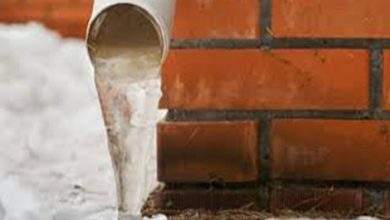
Make sure gutters direct water away from the house. Downspouts should extend several feet from the foundation. Consider adding extensions if water pools near your walls.
Inspect your basement or crawl space for moisture. Use a dehumidifier if needed. If you notice cracks in the foundation, consult a professional. Small cracks are easier and cheaper to repair early.
Grading matters too. The ground around your home should slope away, not toward it. If water runs toward your house during rain, you may need to adjust landscaping. Simple changes in soil and drainage can prevent major structural damage.
Upgrade Insulation and Ventilation
Weather ready homes are not just about storms. They are also about temperature control. Record heat waves and unexpected freezes strain heating and cooling systems.
Check attic insulation levels. Proper insulation keeps warm air inside during winter and hot air out during summer. It reduces energy bills and keeps rooms comfortable.
Ventilation matters as well. Good airflow in attics prevents moisture buildup and extends roof life. Bathroom and kitchen fans remove humidity before it spreads.
Consider energy efficient upgrades. Double pane windows, sealed ducts, and smart thermostats help regulate indoor temperatures. These improvements pay off over time. They also make your home more resilient during power outages or extreme weather events.
Prepare Outdoor Spaces
Your yard can either protect your home or put it at risk. Loose items become projectiles during high winds. Weak fences can collapse. Poorly maintained trees can fall.
Secure outdoor furniture before storms. Store lightweight items in a shed or garage. Inspect fences for loose boards or posts.
Trim trees regularly. Remove dead branches that could snap in strong winds. If a large tree leans toward your home, consult a professional arborist.
Check your deck or patio for loose boards and unstable railings. Reinforce weak areas. Outdoor spaces are part of your home’s overall structure. Treat them with the same attention as interior rooms.
Build an Emergency Plan
Weather-ready living is not only about construction. It is also about planning. Create an emergency kit with flashlights, batteries, bottled water, and non perishable food. Store it in an easy to access location.
Know where your main utility shutoffs are located. Learn how to turn off water and gas if necessary. Share this information with everyone in your household.
Review your homeowner insurance policy. Make sure coverage reflects current rebuilding costs. Take photos of your home’s interior and exterior. Documentation helps if you ever need to file a claim.
Discuss evacuation routes with your family. Practice once or twice a year. Preparation reduces panic when severe weather hits.
Think Long Term
Climate discussions often feel distant or political. Yet for homeowners, the effects are practical. Insurance premiums rise. Repair costs increase. Weather patterns shift.
Future-focused upgrades protect more than just property value. They protect daily comfort and family safety. Investing in stronger materials and better systems may seem costly now. Still, the alternative can be far more expensive later.
Weather-ready living is not about fear. It is about confidence. It means knowing your home can handle what comes next. From the roof to the foundation, every layer plays a role.
You cannot control the forecast. You can control how prepared you are. With steady maintenance, smart upgrades, and clear planning, your home can stand firm through storms, heat waves, and everything in between. And that kind of resilience is something every family can appreciate.