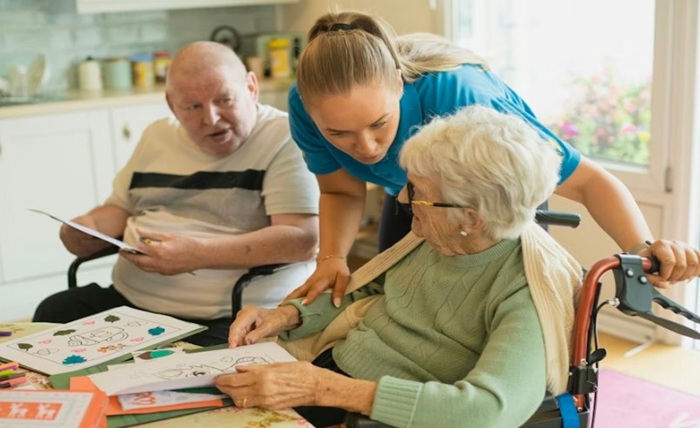
Care doesn’t arrive with a trumpet. It shows up in slippers, with a soft knock and a familiar face. Professional care is a rhythm that becomes part of the home.
For families using home caregiver services, a “typical day” isn’t about checklists or clock-watching. It’s how the day feels. The pace. The pauses. The way tension eases enough for everyone to breathe again.
If you’re considering home care for your elderly loved one, this is what those days look like.
Morning: A Soft Start
Mornings used to feel rushed. Heavy. Now, they begin with less urgency. There’s time to wake gently. To orient. To move without being hurried.
A caregiver’s presence changes the mood of the house. For once, someone else is holding the structure, which allows you to stay present instead of constantly alert.
Many home care providers note that mornings act as the emotional anchor of the day, setting the tone for everything that follows.
When routines are steady and familiar, anxiety lowers, and confidence rises, particularly for older adults who thrive on predictability.
Not Efficiency But Reassurance
Clients think that speed should be part of a caregiver’s superpower. It’s not, and they definitely don’t possess some mythical power, although it might seem so.
They aim to provide reassurance with a calm voice. For parents with cognitive decline or chronic illness, these small consistencies matter more than any single action. They help the brain relax. They condition the body to trust what comes next.
cwihomecare.com explains that caring with integrity is vital to providing peace of mind and dignity to families. That’s why personalized home care is the core foundation of home care agencies.
Midday: Life Continues, Supported
By midday, the house settles into its real routine. This is when families notice the biggest shift, not in what’s happening, but in who is carrying it.
Caregivers become quiet companions during this stretch. They’re there, not intrusive, present, and not overwhelming. Many families may find it jarring at first. That’s because home care doesn’t take over life; it slides alongside it.
Space for Normalcy
At the beginning, lunch felt like a medical event. Now, conversation flows, or silence is respected.
An ordinary day with a home carer includes moments of genuine connection, shared stories, humor, and the comfort of being seen without being managed.
This creates room for you to step back emotionally and to stop monitoring every moment. You can simply be a daughter again, or a spouse, or a son.
The Emotional Middle
The middle of the day is where emotions surface. Fatigue shows up; so does vulnerability.
This is also where caregivers provide the most invisible support. They notice mood shifts. Energy dips. Small signs that something isn’t quite right. Their role is less about intervention and more about attunement.
A Shared Load
Loved ones describe this as the moment they stop feeling alone. In conversation with NPR, caregivers and families alike point to emotional relief as one of the most underestimated benefits of home care.
The relief of knowing someone else is paying close attention. Someone trained and steady.
Afternoon: Energy Ebbs
As the afternoon stretches on, the energy changes again. Caregivers help maintain balance without forcing momentum. Rest is allowed. Engagement is gentle. Nothing is rushed just to “fill the time.”
People living with dementia find afternoons especially challenging. Confusion can increase. Anxiety can spike. Familiar routines and familiar faces help soften this transition, even when symptoms can’t be eliminated.
The Power of Presence
At-home aged care services work because care happens in a place that already holds memory. The couch knows their weight. The hallway knows their pace.
The intimacy of home reduces stress in ways institutional care sometimes can’t replicate. It helps people stay connected to themselves longer, even as abilities change.
Evening: A Gentle Landing
Evenings matter more than most people realize. This part of the day is when exhaustion and heightened emotions take their toll.
When you come home tired, the day’s weight is felt. Caregivers help the household land softly. Dinner is less tense. Transitions are smoother. Goodbyes are unhurried.
This is the moment you notice your own shoulders drop.
The Gift of Predictable Endings
Caregivers guide the day toward a routine close, with the same sequence and same cues. This predictability brings comfort to older adults who feel safest when endings are clear and consistent.
It’s not about wrapping the day perfectly. It’s about closing it kindly.
More Than Logistics
Professional home caregiving changes the family dynamic in subtle ways. You stop living in a constant state of vigilance. Your partner gets to rest without guilt.
Conversations shift away from crisis management and back toward relationships. That emotional shift is one reason many families work hard to afford home care. Rather than seeing it as a cost, think of it as an investment in dignity, stability, and shared peace.