What Makes Polypropylene Stand Out
When it comes to modern materials, few can compete with the versatility and reliability of polypropylene. Found in everything from packaging and textiles to automotive parts and medical equipment, this remarkable plastic manages to balance strength, flexibility, and cost-effectiveness better than most alternatives. Its unique combination of qualities has made it indispensable in countless industries. Even in specialized applications such as securing industrial materials or producing durable fastening products like long velcro straps, polypropylene’s adaptability and resilience make it a top choice. But what exactly makes polypropylene stand out?
A Perfect Balance of Strength and Lightness
One of polypropylene’s most impressive characteristics is its strength-to-weight ratio. It is incredibly light, yet remarkably tough. This balance allows manufacturers to produce sturdy components and packaging without adding unnecessary weight—a critical advantage in industries like automotive, aerospace, and logistics, where every ounce counts.
In consumer goods, this translates into durable products that are easy to handle. Polypropylene is strong enough to withstand impact, bending, and fatigue without breaking, making it ideal for reusable containers, furniture, and everyday household items. Its durability extends product lifespans, reducing waste and contributing to sustainability goals.
Exceptional Chemical Resistance
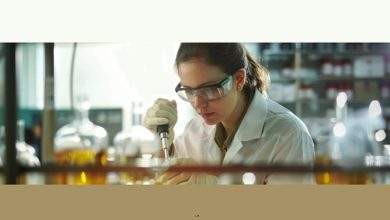
Another standout feature of polypropylene is its resistance to a wide variety of chemicals. It doesn’t react easily with acids, bases, or organic solvents, which is why it’s a favorite material for laboratory equipment, chemical storage tanks, and medical devices. Unlike many plastics that can corrode or degrade under chemical exposure, polypropylene maintains its integrity, ensuring safety and reliability in demanding environments.
This resistance also extends to cleaning agents, oils, and greases, allowing polypropylene products to maintain their appearance and performance over time. It’s one reason why you’ll find it in food packaging and medical applications—two areas where hygiene and safety are paramount.
According to the British Plastics Federation, polypropylene’s chemical resilience is one of the main reasons it continues to grow in popularity across global manufacturing. Its versatility in chemical handling gives it a clear edge over other commonly used plastics.
Thermal Stability and Heat Resistance
Polypropylene’s ability to withstand heat without deforming is another major advantage. It has a relatively high melting point compared to other plastics—typically around 160 degrees Celsius (320 degrees Fahrenheit). This makes it suitable for products exposed to elevated temperatures, such as dishwasher-safe containers, medical autoclave tools, and automotive components under the hood.
Its heat resistance also contributes to energy efficiency during production. Polypropylene can be molded and reshaped repeatedly without significant degradation, which is vital for industries relying on precision manufacturing. The material’s ability to endure both high and low temperatures without losing performance further enhances its value.
A Versatile and Adaptable Material
Few materials are as adaptable as polypropylene. It can be manufactured into rigid forms for durable parts or spun into soft fibers for textiles. In fact, many nonwoven fabrics—like those used in disposable masks, filters, and medical gowns—are made from polypropylene fibers. Its flexibility also allows it to blend well with other materials, enhancing performance or aesthetics depending on the application.
This adaptability makes polypropylene a favorite among designers and engineers who need materials that can shift between strength, softness, and flexibility. It’s used in ropes, carpets, luggage, and even construction materials, proving its worth in both functional and creative applications.
Eco-Friendly Qualities
Polypropylene is not only practical—it’s also more environmentally responsible than many other plastics. It is fully recyclable and has one of the lowest environmental footprints of any plastic material. During production, it requires less energy and emits fewer greenhouse gases than alternatives like polyethylene or PVC.
Additionally, because of its strength and durability, polypropylene products often last longer, reducing the frequency of replacement and the waste associated with single-use items. Many recycling facilities are expanding their capacity to process polypropylene, helping it play a larger role in circular economy initiatives.
The U.S. Environmental Protection Agency (EPA) notes that increasing the recycling of durable plastics like polypropylene can significantly reduce landfill waste and lower the environmental impact of consumer products.
Moisture Resistance and Hygiene Benefits
Polypropylene also stands out for its excellent moisture resistance. It doesn’t absorb water, which helps prevent mold, mildew, and bacterial growth. That’s why it’s commonly used in food containers, outdoor furniture, and waterproof fabrics. In healthcare, this moisture resistance supports sterile environments by keeping medical instruments and supplies free from contamination.
For textiles and fasteners, polypropylene’s non-absorbent properties keep materials lightweight and clean. It also dries quickly, adding practicality to applications in sportswear, industrial equipment, and even outdoor adventure gear.
Affordability and Cost Efficiency
Despite its impressive properties, polypropylene remains one of the most cost-effective materials available. Its production process is efficient, and its raw materials are relatively inexpensive. This affordability has allowed industries to incorporate it widely without compromising performance or design flexibility.
Its longevity and recyclability further enhance its cost efficiency over time, making it an appealing choice for companies seeking high-quality results without excessive expense. Whether used in industrial packaging, automotive parts, or consumer goods, polypropylene delivers exceptional value.
Polypropylene in Everyday Applications
Polypropylene’s presence in daily life often goes unnoticed, but it plays a major role behind the scenes. From medical syringes and yogurt containers to car bumpers and carpet fibers, it forms part of the backbone of modern manufacturing. In industrial settings, its resilience makes it ideal for fasteners, straps, and protective coverings, ensuring both safety and performance in demanding conditions.
Its versatility continues to expand with innovations in polymer engineering, leading to even stronger, lighter, and more eco-friendly formulations. With advancements in additive technology and recycling systems, polypropylene’s future looks more sustainable than ever.
A Material That Defines Modern Practicality
What makes polypropylene truly stand out is how effortlessly it blends practicality, durability, and sustainability. It meets the needs of both industry and consumers, offering reliable performance across a vast range of environments. Its chemical resistance, light weight, heat tolerance, and recyclability make it one of the most well-rounded materials available today.
As manufacturing continues to evolve, polypropylene remains a cornerstone of innovation—a material that proves strength and sustainability can go hand in hand. From the simplest household item to the most complex industrial system, polypropylene continues to set the standard for what a modern material should be: tough, efficient, and built for the future.