When was the last time you dreaded a dentist appointment—not for the cost, but because you feared the chair? If that question feels too relatable, you’re not alone. For generations, dental visits have been synonymous with discomfort, anxiety, and that unsettling whirring sound that seems to echo directly into your soul. But today’s dental world is flipping that narrative—with a shiny, high-tech smile.
The Comfort Revolution Is Real
We’re living in a time when technology is reshaping how we work, shop, and even sleep. So, it’s no surprise that dentistry is getting a much-needed glow-up. Once viewed as a necessary evil, dental care is now being reimagined as a comfort-first experience. From noise-canceling tools to digital impressions that spare you the gooey mouth trays, innovation is meeting empathy in the dental chair.
Dentists aren’t just focused on fixing teeth anymore—they’re working hard to fix the experience. Whether you’re dealing with cosmetic concerns or long-term oral health, the tools and techniques used today are built to make the patient feel less like a science experiment and more like a guest.
Replacing Fear with Function
For patients with severe tooth loss, the old-school solution often meant ill-fitting dentures or multi-step surgeries spread out over months. Fast-forward to now, and we’re talking about streamlined procedures that combine form, function, and—yes—comfort. One major breakthrough is the use of full arch implants. Instead of replacing teeth one by one or relying on adhesive-based dentures, full arch solutions anchor a complete set of prosthetic teeth onto just a few strategically placed implants.
The result? A faster procedure, fewer follow-ups, and a permanent solution that feels (and functions) like natural teeth. You can eat corn on the cob again without fear. Best of all, the technology allows for same-day transformations in some cases, meaning you walk out with a confident smile instead of a temporary fix. It’s not just about aesthetics—it’s about restoring quality of life without the trauma of traditional methods.
Say Goodbye to the Drill-and-Fill Era
Let’s be honest. The sound of a dental drill might as well be the unofficial theme song of childhood nightmares. But in today’s clinics, that piercing buzz is becoming less common. Thanks to laser dentistry, many procedures once requiring drills, needles, and anesthesia can now be done with light energy. Lasers can treat cavities, reshape gums, and even whiten teeth with minimal discomfort and no bleeding.
It’s not just about ditching the noise. Lasers reduce healing time, lower infection risk, and often eliminate the need for sutures. Plus, who wouldn’t trade a numbing shot for a light-based fix that lets you walk out without the post-appointment face droop?
Digital Dentistry Is the New Standard
If you’ve ever gagged your way through a traditional dental impression, you’ll appreciate the rise of intraoral scanners. These sleek devices capture 3D images of your teeth in seconds, replacing the need for goopy trays and awkward waiting. And they’re just the beginning.
Digital workflows allow dentists to plan and simulate treatments with incredible precision. Crowns, veneers, and bridges that once took multiple visits can now be created and placed in a single day. CAD/CAM technology (short for computer-aided design and manufacturing) makes the process efficient, accurate, and—most importantly—comfortable.
The Rise of Spa-Like Dental Offices
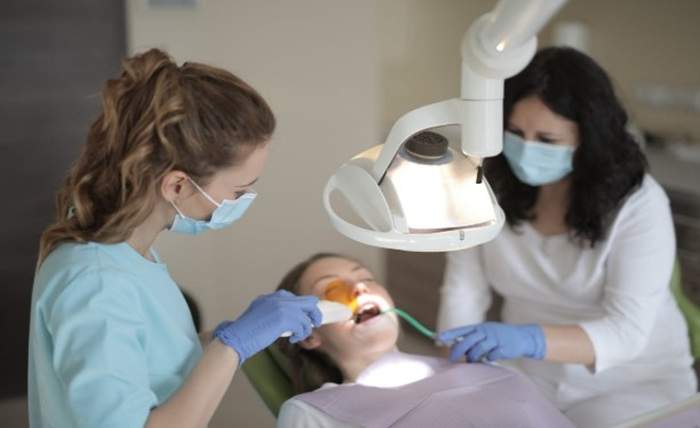
Walk into some modern dental clinics, and you’ll think you accidentally booked a massage instead. Plush chairs, aromatherapy, curated music playlists, and even virtual reality goggles are now part of the experience in many offices. The goal? Reduce anxiety and make patients forget they’re even in a medical setting.
In an age where customer experience reigns supreme—from personalized Spotify playlists to same-day Amazon deliveries—it makes sense that healthcare providers are expected to step up, too. And dentists are meeting that expectation with design-forward spaces that prioritize serenity as much as sterility.
Sedation Without the Stigma
The word “sedation” used to conjure up images of groggy patients and heavy drugs. But innovations in mild sedation techniques are changing that. Options like nitrous oxide (laughing gas), oral sedatives, or even IV sedation under carefully monitored conditions help patients relax without the foggy aftereffects.
This is particularly helpful for people with dental phobia—yes, that’s a real thing—and for children or individuals with special needs. It’s not about knocking people out; it’s about inviting them in with the reassurance that they won’t have to white-knuckle their way through a cleaning.
Artificial Intelligence, Real-World Impact
No, robots aren’t doing root canals just yet. But AI is already making waves in diagnostics and treatment planning. Tools powered by machine learning can analyze X-rays faster and sometimes more accurately than human eyes. This reduces guesswork, shortens appointment times, and leads to quicker interventions.
And in case you’re wondering: AI doesn’t replace dentists—it amplifies them. Think of it like a second set of super-precise eyes that helps your provider catch early signs of gum disease or decay before they become bigger (and more painful) problems.
Cultural Shifts Mean Higher Expectations
Patients today aren’t just more informed—they’re more empowered. With access to reviews, social media, and healthcare rating sites, people no longer tolerate rushed, painful visits. They expect comfort, transparency, and options. Dental offices that ignore this shift risk being left behind in the Yelp era.
What’s more, societal conversations about mental health and wellness are reshaping how we think about healthcare altogether. The link between oral health and systemic health is well-documented, and people want solutions that fit into a broader lifestyle of self-care—not stress. That includes having a dentist who listens, technology that simplifies, and a clinic that doesn’t smell like disinfectant and fear.
So, if you haven’t been to the dentist in a while because you’re stuck in memories of metal tools and cotton-packed cheeks, it might be time to update your mental software. Dental innovation isn’t about making teeth shinier—it’s about making you feel seen, safe, and maybe even a little pampered. Your comfort isn’t an afterthought anymore. It’s the main event.