
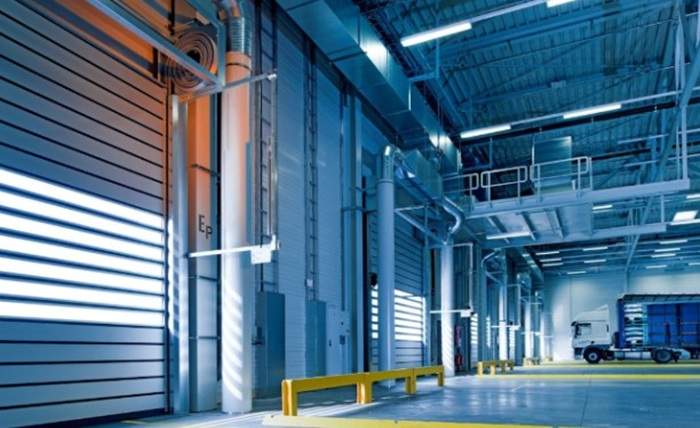
Many businesses deal with the same quiet problem year after year. Things still work, but not well. Repairs come up more often. Systems feel outdated. Employees find ways to work around issues instead of fixing them. Owners know something needs attention, but infrastructure upgrades keep sliding down the priority list. They feel expensive, disruptive, and easy to postpone.
The issue is that delays come with their own costs. Aging systems slowly drain time, money, and energy. By the time a major failure happens, the business has already paid far more than expected. Investing in infrastructure may not feel urgent, but ignoring it often becomes one of the most expensive decisions a company makes.
What infrastructure really includes
When people hear the word ‘infrastructure’, they often think of large public projects. In a business setting, it means something much closer to home. Infrastructure includes the systems and structures that allow daily work to happen. This covers buildings, access points, electrical systems, loading areas, ventilation, and equipment that supports operations.
These elements may not drive revenue directly, but they shape how smoothly work gets done. If systems fail or slow down, productivity drops. Employees spend time fixing problems instead of doing their jobs. Customers notice delays and disruptions even if they never see the source. Infrastructure creates the base that everything else relies on, whether leaders actively think about it or not.
Choosing long-term value over short-term savings
Upfront cost often drives infrastructure decisions. While budget matters, the lowest price rarely delivers the best outcome. Lower quality systems tend to wear faster, need more repairs, and fail under pressure. Over time, these issues erase any early savings.
Long-term value comes from durability and fit. For example, selecting a well-built commercial overhead garage door designed for frequent use can reduce maintenance needs and downtime compared to a cheaper option. Thoughtful choices focus on how systems perform over the years, not just at installation.
Constant repairs quietly add up
Frequent repairs feel manageable at first. One fix here, another adjustment there. Over time, they become a steady drain on resources. Each repair takes staff attention, disrupts schedules, and adds unexpected costs to the budget. Even small issues can pull people away from more important work.
Old systems often break in unpredictable ways. That uncertainty makes planning difficult. Instead of investing once and moving forward, businesses stay stuck in a cycle of patchwork fixes. The money spent on repeated repairs rarely improves performance. It only keeps things from getting worse. Over the long-term, this approach costs more than replacing or upgrading systems at the right time.
The real cost of operational downtime
Downtime rarely looks serious on paper until it happens. A short delay can push back orders, cancel appointments, or leave staff waiting. Customers may not complain right away, but they remember missed timelines and inconsistent service. Over time, trust erodes.
Internally, downtime affects morale. Teams feel pressure when systems fail and expectations stay the same. Managers scramble to adjust plans. What should be a normal workday turns into problem-solving mode. Even brief interruptions create ripple effects that last longer than the outage itself. Reliable infrastructure reduces these moments and helps businesses stay consistent.
How reliable systems support daily workflows
When infrastructure works as expected, people barely notice it. That is a good thing. Employees can focus on tasks instead of workarounds. Processes stay predictable. Schedules hold steady. This kind of reliability supports better performance without constant supervision.
Consistent systems also reduce mistakes. When equipment functions properly and layouts make sense, teams move with more confidence. Training becomes easier because processes stay the same. Over time, this stability improves efficiency and lowers stress across the organization.
Safety and compliance risks grow over time
Outdated infrastructure often brings safety concerns. Worn systems increase the chance of accidents, malfunctions, and near misses. These risks grow slowly, which makes them easy to overlook. By the time problems become visible, the situation may already be serious.
Compliance issues can follow the same pattern. Regulations change, but aging systems stay the same. Businesses may fall behind without realizing it. Addressing infrastructure early helps prevent safety incidents and compliance problems before they disrupt operations or damage reputations.
How infrastructure affects customer experience
Customers may never see the systems that support a business, but they feel the results. Delays, limited access, noise issues, or repeated rescheduling often point back to infrastructure problems. When systems struggle to keep up, service quality becomes inconsistent.
Reliable infrastructure helps businesses deliver what they promise. Orders move on time. Appointments stay on schedule. Spaces feel organized and functional. These details shape trust, even when customers cannot explain why they feel confident working with a company. Over time, consistency becomes a competitive advantage that is hard to match.
Energy efficiency and long-term operating costs
Older infrastructure often uses more energy than necessary. Heating, cooling, lighting, and equipment systems lose efficiency as they age. This leads to higher utility bills and unpredictable monthly costs. While the increase may seem gradual, it adds up over years of operation.
Modern upgrades tend to improve control and reduce waste. Businesses gain more stable operating costs and fewer surprise expenses. Energy efficiency also supports planning. When costs stay predictable, leaders can budget with more confidence and allocate resources where they matter most.
Why strong foundations make growth easier
Growth places new demands on infrastructure. Higher volume, extended hours, or added services push systems harder than before. When infrastructure cannot handle the load, expansion slows or stalls. Teams face limits that have nothing to do with demand or skill.
Investing early allows businesses to grow without constant redesign. Strong infrastructure supports change instead of resisting it. Expansion becomes smoother because systems already have the capacity to handle more activity. This flexibility reduces stress during growth periods and prevents rushed decisions later.
When benefits show up quietly
The strongest infrastructure investments often go unnoticed. There are fewer emergency calls. Teams work without interruption. Maintenance schedules stay routine instead of urgent. These quiet outcomes signal success.
Businesses with solid infrastructure spend less time reacting and more time planning. Leaders gain control over operations instead of responding to problems as they appear. While these benefits may not generate headlines, they support steady performance and long-term stability.
Investing in infrastructure pays off because it removes friction from daily operations. Reliable systems reduce downtime, control costs, support safety, and allow businesses to grow with confidence. The return does not always appear immediately, but it shows up through consistency, predictability, and fewer disruptions.
Rather than waiting for failure, businesses benefit from reviewing infrastructure with a long-term view. Strategic upgrades protect operations today while preparing for tomorrow. Over time, these decisions build a stronger foundation that supports success instead of slowing it down.