
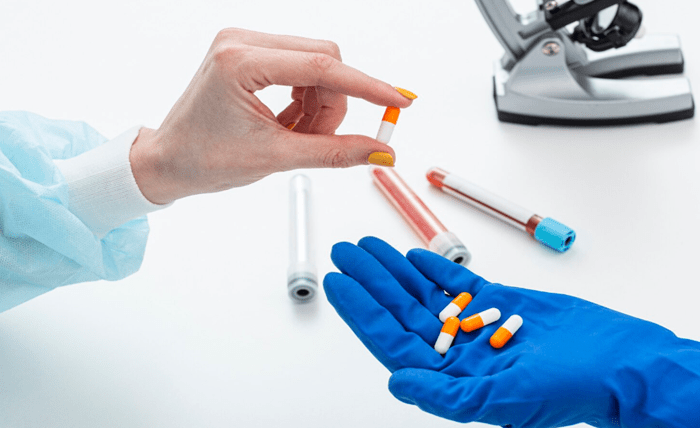
As society navigates the complexities of substance use and its implications, the need for efficient and reliable drug testing methods becomes increasingly vital. Drug test cups have emerged as a convenient solution for healthcare providers, employers, and law enforcement agencies, offering rapid results without compromising accuracy. This article delves into the essential aspects of drug testing, exploring various methods, the advantages of rapid tests, concerns about accuracy, and future trends in the field.
Understanding Drug Testing Methods
Drug testing has become an integral part of various sectors, from workplaces to rehabilitation centers. Understanding the different methods available helps stakeholders make informed decisions about implementation.
Types of Drug Tests
There are several types of drug testing methods commonly used today, each with its own set of advantages and limitations:
- Urine Tests: The most popular method, urine tests can detect a wide variety of substances within a 1-30 day window after use, depending on the drug.
- Saliva Tests: Less invasive than urine tests, saliva testing can detect substances used within the last few hours to a few days, making it a suitable option for workplace testing.
- Blood Tests: While highly accurate, blood tests are more invasive and expensive. They provide immediate results and can detect drugs within minutes or hours of use.
- Hair Tests: This method can provide a long-term history of substance use, detecting drugs that have been ingested up to 90 days prior. But, it is rarely used for immediate testing due to the longer processing time.
- Sweat Tests: Often used in rehabilitation settings, sweat tests involve wearing a patch that collects perspiration over several days. This method can confirm long-term use but may not be suitable for immediate results.
Advantages of Rapid Drug Tests
Rapid drug tests offer numerous advantages that cater to the need for immediate and reliable results:
- Speed of Results: The primary advantage of rapid drug tests is the quick turnaround time: results can often be available within minutes. This speed is crucial for industries where immediate decision-making is required, such as emergency rooms or workplaces.
- Ease of Use: Many rapid drug tests are designed for ease of use, allowing even non-professionals to administer tests. This convenience can help more frequent testing without the need for specialized training.
- Cost-Effectiveness: Compared to traditional lab-based tests, rapid tests can be more affordable, making them accessible for various organizations, from schools to corporate offices.
- Portability: Many rapid drug testing kits are compact and portable, which makes them easy to store and transport. This portability enables testing in different environments, whether at the workplace or at home.
- Variety of Substances Tested: Many rapid tests are designed to detect multiple substances simultaneously, increasing their utility in diverse testing scenarios.
Accuracy and Reliability Concerns
While rapid drug tests provide various advantages, concerns about their accuracy and reliability persist. Stakeholders must be aware of these potential issues to ensure comprehensive testing protocols are in place.
The Role of Technology in Drug Testing
Technological advancements have significantly improved the reliability of rapid drug tests. Newer assays use cutting-edge technology to enhance detection limits and reduce false positives and negatives. For instance:
- Immunoassay Techniques: Many rapid tests use immunoassays that involve antibodies to detect specific drugs. Variations in the technology can affect how accurately drugs are identified, requiring careful selection based on the intended use.
- Molecular Testing: The introduction of molecular tests, like PCR (Polymerase Chain Reaction), allows for the detection of drugs at a genetic level. This advancement can improve specificity and sensitivity, addressing some concerns tied to traditional methods.
- Data Analytics: Integrating data analytics into drug testing protocols can help organizations track results over time, identify patterns, and refine testing strategies, contributing to improved reliability.
Future Trends in Drug Testing
As the discussion around substance use evolves, so too does the landscape of drug testing. Future trends are emerging that promise to revolutionize how drug tests are conducted:
- Wearable Technology: Wearable devices capable of monitoring substance levels in real-time are on the horizon. These gadgets can continuously assess an individual’s state, providing immediate alerts if substance use is detected.
- Integration of AI: Artificial intelligence is expected to enhance drug testing by analyzing test results and improving the interpretation of data, helping to minimize human error and improve outcomes.
- Customized testing solutions: As awareness grows about individual differences in metabolism and responses to drugs, personalized testing protocols may emerge, allowing for more tailored approaches to drug testing.
- Legalization Impact: As more substances, especially cannabis, become legalized or decriminalized, the focus will shift toward understanding the implications of their consumption. This change will drive demand for new testing methodologies that account for legal usage.
Conclusion
Convenient drug tests for rapid substance detection represent a vital component in today’s society. With their advantages of speed, ease of use, and affordability, these tests are transforming how drug testing is approached in various sectors. But, as with any technology, stakeholders must remain vigilant about accuracy and reliability. Ongoing advancements in testing technologies aim to address these concerns, ensuring that drug testing evolves alongside societal changes. As the industry anticipates future innovations, the focus will center on enhancing the effectiveness and accessibility of drug tests, paving the way for a safer, more informed society.