You might be feeling a little torn right now. On one hand, you notice your smile in every photo, every video call, every time you pass a mirror. On the other hand, you tell yourself it is “just cosmetic,” and that you should probably focus on more serious things. So you push the idea of cosmetic treatment to the bottom of your list, even though a small part of you keeps wondering how different life might feel if you actually liked your smile and decided to visit a dentist in Dacula.
That tension is real. You may worry that wanting cosmetic dental work is vain. You may feel guilty about the cost. You may also be confused about what cosmetic dentistry really does. Is it just about looking better, or is there more going on beneath the surface?
The short answer is that cosmetic dentistry can change far more than your appearance. It can shift how you show up at work, how you connect with people you love, and even how you care for your overall health. It is not magic, and it is not a cure for every insecurity, yet when it is done thoughtfully by a trusted family dentist, it can be a turning point.
So where does that leave you? You might not be ready to schedule anything today. That is okay. By the time you finish reading, you will understand how cosmetic care fits into your overall health, what tradeoffs to consider, and what simple steps you can take if you decide you are ready to move forward.
Is Cosmetic Dentistry Really “Just Vanity,” Or Is Something Deeper Going On
Think about the last time you avoided smiling in a group photo, or covered your mouth when you laughed. Maybe you chipped a front tooth years ago and never got it fixed. Maybe your teeth are healthy, but the color or shape bothers you. Over time, these small hesitations add up, and your smile becomes something you manage instead of something that feels natural.
The problem is not only what others see. It is how you start to see yourself. You might hold back in job interviews because you are self-conscious when you speak. You might feel older than you are because your teeth are worn or dark. You might even avoid dating or social events because you do not want to explain why you “hate pictures.”
Because of this tension, you might wonder if cosmetic dentistry is worth the emotional and financial investment, or if you should just “tough it out.” That inner tug of war can be exhausting.
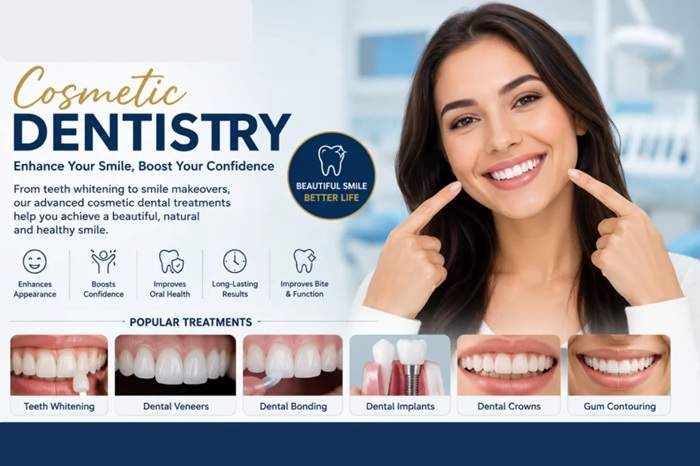
Here is where the story shifts. Modern cosmetic dental treatment is not only about whitening or veneers. Many procedures that improve appearance also improve function, comfort, and long-term oral health. For example, closing gaps can make it easier to clean between teeth. Rebuilding worn teeth can improve your bite and reduce jaw strain. Replacing a missing tooth can protect the surrounding teeth and support normal chewing.
Research backs up how important oral health is to overall wellbeing. The National Institute of Dental and Craniofacial Research highlights in its Oral Health in America report that oral health is closely linked to general health, quality of life, and social confidence. So while cosmetics might be the doorway that gets you into the dental chair, the benefits often spread far beyond what you see in the mirror.
How Can Enhancing Your Smile Affect Your Daily Life
To make this more concrete, imagine a few “what if” moments.
What if you walked into a performance review at work and did not have to think about hiding your teeth? You could focus on the conversation, negotiate your raise, or present your ideas without that quiet self-doubt humming in the background.
What if you were in family photos and actually wanted to stand in the front instead of the back? You might feel more connected when you look at those pictures years later, rather than wishing you had smiled differently.
What if your teenager, who refuses to smile with their teeth showing, suddenly felt comfortable taking school pictures after some thoughtfully planned cosmetic work done through your trusted family dentist? That shift could change how they see themselves during some of the most sensitive years of their life.
There are also physical aspects to consider. Stained or worn teeth can be signs of deeper issues like grinding, acid erosion, or long-term plaque buildup. According to national oral health data on adults from the NIDCR, many adults live with untreated dental issues that affect chewing, speech, and comfort. You can see some of these trends in their adult oral health statistics. Cosmetic treatment often leads to a more complete evaluation, which means underlying problems are caught and treated earlier.
This is why it helps to think of smile enhancement as part of your overall care, not a separate, “extra” category. A good family dentist will look at how your teeth fit together, how your gums are doing, and how any cosmetic change will age over time. The goal is not a fake-looking “perfect” smile. The goal is a healthy, natural smile that fits your face and your life.
What Should You Weigh: Confidence vs Cost vs Health
Even with all these benefits, your concerns are valid. The main questions people wrestle with are usually about cost, time, and safety. You might worry about spending on something that feels optional. You might be afraid of looking “overdone.” You might also be unsure how long results last.
Because there are so many choices, it helps to compare different paths in a simple way. The table below offers a general look at common options people consider when they want to improve their smile.
| Option | Typical Goal | Cost Range (Relative) | Durability | Impact On Health |
| Do nothing | Save money, avoid treatment | None | Issues may worsen over time | May allow decay, wear, or gum problems to progress |
| DIY or store bought whitening | Lighten tooth color | Low | Short term. Stains often return | Can cause sensitivity if overused. No check for underlying problems |
| Professional whitening with a family dentist | Safer, more even whitening | Moderate | Longer lasting with good habits | Teeth and gums are checked first. Plan is tailored to you |
| Bonding or tooth colored fillings | Fix chips, close small gaps, reshape teeth | Moderate | Several years with care | Protects tooth structure. Can restore strength and appearance |
| Veneers or crowns | Change color, shape, alignment of visible teeth | Higher | Many years with proper care | Restores function, protects damaged teeth, improves appearance |
There is no one “right” choice for everyone. Some people begin with simple whitening and a good cleaning to see how they feel. Others, especially those with old fillings or broken teeth, choose more involved treatment because it addresses function and appearance at the same time. The key is to match your expectations, budget, and comfort level with a plan that makes sense for you now, not someday in the distant future.
What Can You Do Right Now If You Are Curious About Cosmetic Changes
You do not have to decide on veneers or whitening today. You do not even have to decide whether cosmetic dentistry is for you. There are a few grounded steps you can take that will bring clarity and reduce some of the anxiety you might feel.
- Get clear on what actually bothers you
Instead of saying “I hate my teeth,” try to name specific things. Is it color? Shape. Gaps. Crowding. Old dark fillings. Sensitivity. Take a moment to look in the mirror and write down the top three things that bother you. This turns a vague feeling of dissatisfaction into something more concrete that a family dentist can respond to.
Ask yourself how each issue affects your life. Do you avoid certain foods? Do you avoid certain social situations? This helps you see where cosmetic changes might also improve comfort or function.
- Schedule a conversation, not a commitment
If you decide to visit a family dentist offering cosmetic services, treat the first appointment as a conversation. You are not signing up for a full makeover. You are gathering information.
At that visit, you can ask questions such as.
- What are my options for the things that bother me most?
- What is the simplest, least invasive approach?
- How long will each option last, and what maintenance will it need?
- Can we phase treatment over time to spread out cost?
A good dentist will also check your gums, bite, and existing restorations. If there are health issues that need attention before cosmetic work, you will know exactly what and why, instead of wondering.
- Protect your smile now, even if you wait on treatment
Whether you choose cosmetic care soon or decide to wait, there are steps you can take today to protect your teeth so that any future work lasts longer.
- Keep up with regular cleanings and checkups so small problems are treated early.
- Use a soft toothbrush and fluoride toothpaste, and clean between your teeth every day.
- If you grind your teeth at night, talk to your dentist about a night guard to prevent wear.
- Limit sugary drinks and frequent snacking, which can stain and weaken enamel.
These habits support both appearance and health. They also mean that when you are ready for cosmetic changes, you are starting from a stronger foundation.
Moving Forward With Confidence In Your Smile
You are not unreasonable for wanting to feel good about your smile. You are not shallow for caring how your teeth look in photos or at work. You are a human being who knows that confidence, comfort, and health are all connected.
Thoughtful cosmetic dentistry for a natural smile can give you more than a brighter set of teeth. It can give you the freedom to laugh without thinking, to speak without hiding, and to see yourself as you truly are, not as your insecurities have told you to be.
When you are ready, reach out to a trusted family dentist, ask your questions, and take one small step. You do not have to change everything at once. Even a single, well-chosen improvement can start to shift how you feel every time you smile.