Most homeowners think storms destroy roofs in one dramatic moment. But the real damage comes slowly, quietly, and consistently. Weather wears down roofing materials long before any visible problem shows up. A single storm might not ruin a roof, but hundreds of small weather events create compounding stress that eventually results in leaks, cracks, rot, and expensive repairs.
How Sunlight Weakens Your Roof Daily
The sun is one of the most persistent destroyers of roofing material. UV radiation dries out shingles, breaks down their protective coating, and makes them brittle. Heat softens adhesives and expands structural components. This daily cycle of heating and cooling loosens shingles and weakens their ability to form a watertight barrier.
Even on cool days, UV exposure quietly ages a roof. Over time, this contributes to curling edges, cracking surfaces, and faded granules.
How Rain Slowly Penetrates Roof Layers
Rain doesn’t need to be heavy to cause damage. Consistent rainfall wears down granules, seeps into tiny openings, and increases moisture levels in the attic. A dry attic should never smell musty. When it does, it’s a sign that moisture is sitting inside structural layers.
Areas with Shingle Roofing for Long Island and Westchester experience frequent humidity and coastal winds that push rain into sensitive areas like flashing, shingles, and roof valleys. Even the smallest moisture entry can escalate.
The Freeze-Thaw Cycle: Roof Damage in Slow Motion
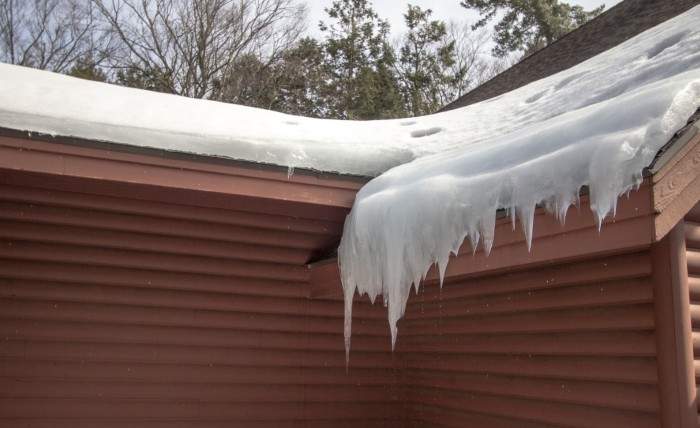
This is one of the biggest silent roof killers. Here’s how it works:
Water enters a small crack.
Temperatures drop at night.
Water freezes and expands.
The crack widens.
The next day, the ice melts and sinks deeper.
Every freeze-thaw cycle pushes moisture further into structural layers. This is how a tiny crack becomes a major roof failure without the homeowner noticing anything until it’s too late.
How Wind Wear Damages the Surface
Wind doesn’t need to tear shingles off to create problems. Even moderate winds lift shingle edges slightly. This tiny lift breaks the seal and allows water underneath. Each time the wind hits, the loosened shingles weaken more.
Valleys, ridges, and edges take the hardest hits. Over time, the repeated pressure can create movement across the roof surface, eventually causing structural fatigue.
Snow and Ice Load More Than Just Weight
Snow seems harmless when it’s fluffy and white. But it becomes a problem once it melts, refreezes, and adds weight to the roof. Ice dams form when melting snow refreezes at the edges, trapping water beneath the top layer of snow. That trapped water eventually seeps under shingles.
This process damages underlayment and decking significantly. Snow doesn’t just sit on a roof. It digs into it.
How Humidity Creates a Silent Moisture Problem
High humidity can cause damage even without rainfall. Moisture settles in the attic and weakens the roof from the inside. This leads to:
Mold growth
Insulation deterioration
Wood rot
Temperature imbalance
The warmer and heavier the attic air feels, the higher the risk of internal moisture damage.
Why Weather Damage Isn’t Obvious Right Away
Weather impacts the roof slowly. The signs aren’t dramatic:
A faint shingle lift
Slight warping
Small granule piles
Hairline cracks
Attic dampnes
These early indicators hide beneath normal daily activity. Homeowners rarely check their roof closely, which is why weather damage grows unnoticed.
In regions that rely on Shingle Roofing for Long Island and Westchester, these subtle signs appear more often due to coastal weather and seasonal extremes.
How to Counter Weather Damage
You can’t control the weather, but you can reduce its impact:
Keep gutters clear to prevent water buildup
Inspect shingles after storms
Monitor attic ventilation
Clear roof valleys regularly
Remove debris
Perform seasonal roof checks
These habits slow the progression of weather damage.
The Real Threat Is Accumulated Stress
Weather doesn’t destroy roofs in a day. It destroys them over years. A cracked shingle today becomes a leak in two months. Moisture that slips beneath flashing in spring becomes mold by fall. sunlight that dries shingles this summer causes brittleness next winter.
Understanding how weather impacts your roof helps you stay ahead of the damage. A roof ages much faster than homeowners realize, and the only defense is consistent, informed care.
Small Stressors Add Up Faster Than You Realize
Roof aging isn’t dramatic. It’s gradual, constant, and mostly invisible. The things that shorten a roof’s lifespan aren’t usually the big events homeowners expect. It’s not the storm that tears off shingles. It’s the years of UV exposure weakening the surface long before anything cracks. It’s the attic heat that builds quietly and softens adhesives from the inside. It’s the moisture that seeps through microscopic gaps once granules start falling off. These small stressors accumulate until the structure has already lost strength, and by then, the signs become impossible to ignore.
Homeowners often don’t notice this early decline because it looks subtle. Shingles might curl slightly. A faint ceiling stain might appear. Attic humidity rises without anyone checking. These early indicators are easy to brush off, and that’s exactly why roofs fail earlier than expected. Weather accelerates everything. Freeze-thaw cycles create pressure in shingle layers. Heat waves push materials past their limit. Wind lifts weakened edges. In regions where Roof Installation Services are a common need, these conditions shorten lifespan even more aggressively.
Quality of installation plays a huge role, too. A roof built with precision and proper ventilation lasts dramatically longer than one thrown together quickly. A misaligned shingle here or a loose fastener there can set the stage for premature aging. Even with good materials, a poor installation accelerates wear. And once water gets under the surface, deterioration spreads horizontally, often far from where the initial problem started.