Menopause can feel a bit like your body changed the rules without warning. One day you sleep fine, and the next day you wake up at 3 a.m. feeling wide awake, warm, and annoyed at the ceiling. We know this stage can bring real changes, and not just hot flashes. It can touch sleep, mood, energy, focus, and even how steady we feel in our own skin. That is why this guide focuses solely on Menopause Treatment, so we can make sense of what is happening and what may help.
In this article, we will cover the signs that may point to menopause care, the choices many people ask about, and the small daily habits that can make treatment feel more useful. We will also keep things plain and direct, because let’s be honest, nobody needs a maze of big words when they are already tired. The goal is to help us see the path more clearly, ask better questions, and feel less lost in the middle of change. By the end, we should know what to watch for, what to talk about, and how to take the next step with calmer and less guesswork.
How menopause treatment choices are matched to your needs
The right plan starts with your symptoms, your health history, and your daily life. You may hear about hormone therapy, non-hormone options, or simple support for sleep and mood. Each choice has a place, but not every choice fits every person. That is why a good care plan feels personal, not copied from a brochure. You need a plan that fits your body, your pace, and your comfort level.
A clinician may ask how often symptoms occur, how severe they feel, and what makes them worse. That sounds basic, but it matters a lot. The details help shape the plan. For example, a person with strong night sweats may need a different path than someone who mainly feels mood shifts. A person who cannot use hormones may need another route. The point is simple. Good care starts with real life, not a guess.
What options may fit your body and your daily routine
Menopause care can include several paths, and each one works differently. Some people use hormone therapy to ease hot flashes and sleep trouble. Others choose non-hormone medicines that help with mood or body heat. Some lean on better sleep habits, more water, regular meals, and calmer days. None of this needs to feel fancy. It just needs to be steady and suited to you.
Here are a few common choices people ask about:
- Hormone therapy for strong hot flashes and night sweats
- Non-hormone medicine for sleep, mood, or heat spikes
- Vaginal treatments for dryness and comfort
- Daily habit changes to support better rest and energy
You may not need every option on day one. In fact, that is rare. Most good plans start small and change with time. That is not a setback. It is how care often works best. You try, you watch, and you adjust. Simple beats are perfect here.
Why small daily habits support menopause treatment results
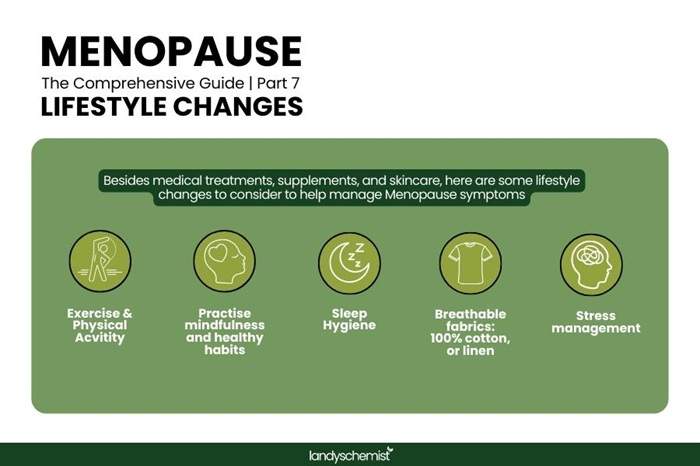
Treatment works better when daily habits pull in the same direction. Sleep matters. So does food, stress, and movement. A short walk can help more than people expect. A steady bedtime can also do a lot. Even small things, like cooling your room or cutting back on late caffeine, may make nights easier. None of this is magic. But it adds up.
Here are a few simple habits that can support better results:
- Keep a regular sleep time and wake time, even on weekends
- Take short daily walks to support mood and energy
- Limit caffeine in the evening to reduce sleep trouble
- Use a cool, quiet room to improve night comfort
- Eat balanced meals at steady times to avoid energy dips
You also help yourself by tracking what happens. Write down when symptoms hit, what you ate, how you slept, and how you felt. That small log can show patterns fast. It can also help you communicate more effectively with a care team. When you know what is changing, you can make better calls. And yes, it saves time too, which is always nice.
What to do next when you want a care plan that fits
The next step is simple. Pay attention to your body, write down what you notice, and speak up about what feels off. You do not need to tough it out alone, nor do you need to guess your way through this stage. We can take menopause seriously without making it scary. We can ask for help, compare options, and choose care that feels safe and clear.
If symptoms are interfering with sleep, work, or basic comfort, it is time to talk with a qualified clinician. Bring your notes. Ask direct questions. Ask what fits your health history and what may need to be skipped. Then build a plan one step at a time. The best next move is the one you can keep doing. Let us keep it simple, stay honest about what the body is saying, and take action before the hard days pile up.