When people think about home security, they often picture heavy locks, visible cameras, bright motion lights, and systems that feel more functional than attractive. The assumption is that safety requires sacrifice. If you want protection, your home might end up looking guarded, rigid, or even uninviting. But that tradeoff is becoming less necessary.
The real shift is not in choosing between safety and design. It is in understanding how both can support each other. A well designed home can quietly guide attention, control visibility, and reduce vulnerability without ever looking defensive. Even a home alarm system can be part of a setup that feels integrated rather than intrusive when it is chosen and placed thoughtfully.
When security is treated as part of the design instead of an afterthought, it stops standing out. It starts blending in.
Security does not need to announce itself
One of the most common mistakes in home security is overexposure. Large cameras, obvious wiring, and bulky equipment can make a home feel more like a monitored space than a lived in one. While visibility can act as a deterrent, too much of it can disrupt the look and feel of the home.
A more balanced approach focuses on subtlety. Smaller cameras, concealed wiring, and fixtures that match the home’s materials and colors can provide the same level of protection without drawing attention. The goal is not to hide security completely, but to integrate it in a way that feels intentional.
This idea aligns with broader design principles that emphasize harmony between form and function. The American Institute of Architects discusses how thoughtful integration of systems contributes to cohesive design in residential spaces. Their perspective on designing functional yet visually appealing homes highlights how technical elements can support aesthetics rather than compete with them.
When security features feel like part of the architecture, they enhance rather than interrupt.
Lighting can protect and shape atmosphere at the same time
Lighting is one of the most effective security tools, and one of the most overlooked design elements. Well placed lighting can reduce dark areas, improve visibility, and discourage unwanted activity. At the same time, it can create warmth, highlight architectural features, and define outdoor spaces.
The key is choosing lighting that serves both purposes. Instead of harsh floodlights, consider layered lighting that includes pathway lights, wall fixtures, and subtle motion activated elements. This approach maintains safety while preserving ambiance.
The U.S. Department of Energy explains how strategic lighting design can improve both functionality and appearance in residential settings. Their guidance on outdoor lighting for safety and efficiency shows how proper placement and design can enhance visibility without overwhelming the space.
When lighting is planned carefully, it becomes part of the home’s character.
Landscaping can guide movement and visibility
Security is not limited to what is installed on walls or doors. The layout of the surrounding space plays a major role in how a home is approached and experienced.
Landscaping can be used to guide movement, define boundaries, and control sightlines. For example, low hedges can maintain visibility while still marking edges. Pathways can direct visitors toward well lit entrances. Plants can be arranged to avoid creating hidden areas near windows or doors.
This approach does not make a home feel restricted. Instead, it creates a sense of order. It subtly communicates where movement is expected and where it is not.
At the same time, it enhances curb appeal. A well planned landscape looks intentional and inviting while still supporting safety.
Materials and finishes can reinforce both strength and style
Another way to blend security with aesthetics is through material choice. Doors, windows, and exterior finishes all contribute to both the look and resilience of a home.
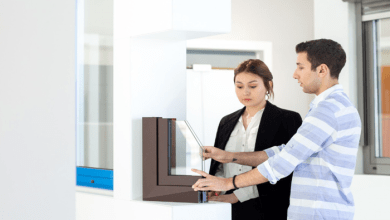
Strong materials do not have to appear heavy or industrial. Modern options allow for durability without sacrificing design. Reinforced doors can still have clean lines and appealing textures. Windows can include secure features while maintaining openness and light.
The key is selecting materials that align with the overall design of the home. When strength is built into the structure itself, it does not need to be added later in a way that feels out of place.
This approach also reduces the need for visible add ons, which can disrupt the visual flow of a space.
Technology works best when it feels invisible
Smart home technology has made it easier to integrate security into everyday living. Sensors, cameras, and monitoring systems can now be smaller, more discreet, and more connected.
The most effective setups are often the least noticeable. Devices that blend into walls, ceilings, or existing fixtures allow the home to maintain its aesthetic while still benefiting from advanced protection.
This reflects a broader trend in technology design. The best systems do not demand attention. They support the environment quietly.
When technology disappears into the background, it becomes part of the experience rather than a distraction.
Consistency ties everything together
One of the reasons security features can feel out of place is inconsistency. A modern camera on a traditional home, mismatched finishes, or poorly placed equipment can create visual tension.
Consistency solves this. When all elements, including security features, follow the same design language, the result feels cohesive. Colors, materials, and shapes should align with the overall style of the home.
This does not require a complete redesign. Small adjustments in placement, finish, and scale can make a significant difference.
When everything feels connected, nothing feels added on.
A home should feel safe without looking guarded
At its core, blending security with aesthetics is about balance. A home should feel protected, but it should also feel comfortable and inviting. It should support daily life without creating a sense of restriction.
This balance is achieved through thoughtful choices. Subtle integration, strategic lighting, intentional landscaping, and consistent design all contribute to a space that feels both secure and visually appealing.
Security does not have to dominate the look of a home. It can exist within it, supporting the space without defining it.
In the end, the most effective home is one that protects without announcing it. It allows people to feel safe while still enjoying the environment they have created. And that is where design and security truly come together.