
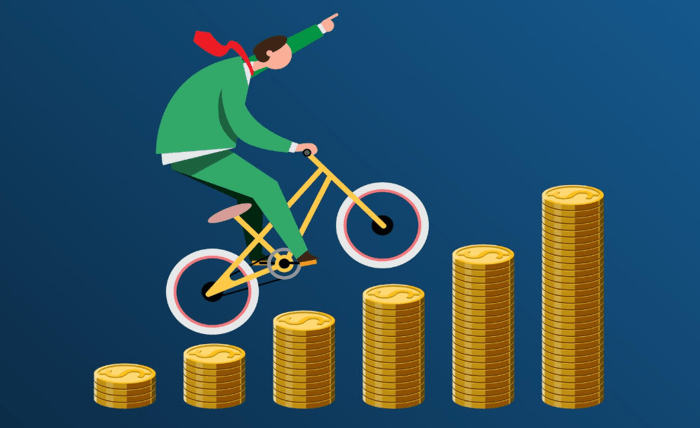
People often underestimate what small financial choices can do because they compare them to big goals. Saving five dollars here or cutting one expense there feels insignificant when debt is high, prices are rising, or major goals still feel far away. But the power of small sacrifices is not in their drama. It is in their repeatability.
That is also why questions like how can you reduce your total loan cost matter. The answer is rarely one giant move alone. More often, it is a series of small decisions that lower interest, reduce waste, and keep you from creating new costs. The little choices do not look impressive on a single day. Over months and years, they can change the whole picture.
The key is understanding that a small sacrifice is not a punishment. It is a trade. You are giving up a little comfort, speed, or convenience now in exchange for greater room later. When that trade is repeated often enough, the results get surprisingly large.
Small choices compound because they repeat
A one time spending cut helps a little. A repeated cut helps a lot. That is the difference. Brewing coffee at home one time is not life changing. Doing it regularly can free up money for debt, savings, or essentials. Skipping one impulse purchase is minor. Building a habit of pausing before purchases can change your whole spending pattern.
This is where organization helps. The FTC guidance on spotting scams while getting out of debt is a reminder that staying deliberate can protect the progress you are trying to build. The CFPB worksheet to request a change in your bill due date also shows how even a simple timing adjustment can reduce late fees and pressure, which is another form of small sacrifice creating larger wins.
The best sacrifices are low pain and high impact
Not every cut is worth making. Some create so much frustration that they fall apart within days. The most effective small sacrifices usually come from areas where the emotional cost is low and the financial benefit is steady. That might be reducing unused subscriptions, planning meals a little more carefully, or choosing a lower cost routine in one category you barely value.
This matters because sustainable change is more powerful than dramatic change. If a sacrifice makes your life miserable, you will probably abandon it. If it feels manageable, it can keep paying off quietly for a long time.
Lifestyle inflation often hides the biggest opportunities
As income rises, spending often rises with it. This is one reason people sometimes feel stuck even after earning more. The extra money gets absorbed into slightly nicer habits, more convenience, or upgraded expectations. Small sacrifices interrupt that drift. They help you capture part of your increased income instead of automatically expanding every category.
That is a big win because it means progress does not require extreme deprivation. Sometimes it only requires resisting the urge to inflate your lifestyle every time you have more room.
Tiny wins build confidence
A lot of people need emotional proof before they trust a financial strategy. Small sacrifices provide that proof. When you redirect even a little money and start seeing results, you begin to believe that change is possible. That belief matters more than people think. It makes consistency easier.
The first win might not be huge. Maybe you avoid one fee. Maybe you add a little to savings. Maybe you send extra money to a balance. But every visible result teaches the same lesson. Small actions can matter more than they look.
Savings are not only about dollars
Another reason these sacrifices become big wins is that they train your behavior. Every time you choose your longer term goal over a passing urge, you strengthen self control. Every time you make a small money decision on purpose, you weaken autopilot a little more. That means the benefit is not just financial. It is psychological.
Over time, your default setting starts to change. You become someone who looks ahead, thinks before acting, and protects your own progress more naturally.
Reframe sacrifice as alignment
The word sacrifice can sound heavy, but not every reduction is a loss. Sometimes it is a correction. You stop paying for things you do not truly value. You reduce habits that were more automatic than meaningful. You align your money more closely with what you actually care about. In that sense, a sacrifice is less about going without and more about choosing better.
That shift in perspective helps a lot. It turns small cuts from acts of deprivation into acts of intention.
You do not need perfection for compounding to work
Small monetary wins still matter even if you are inconsistent sometimes. One difficult month does not erase months of smarter choices. This is important because people often abandon good habits after one setback. The real strength of small sacrifices is that they are easy to resume. You do not need a heroic reset. You just continue.
That is one reason this approach works so well. It survives real life better than extreme plans.
Big wins often begin quietly
Turning small monetary sacrifices into big wins is less glamorous than a dramatic financial turnaround story, but it is often more realistic and more durable. Lower one bill. Skip one expense. Redirect one small amount. Repeat. Then repeat again. Those choices compound in money, in confidence, and in discipline.
That is how progress often works. Quietly at first, then noticeably. Small sacrifices may not look powerful in the moment, but they are often the very things that create the room for bigger change later.