A door that does not close all the way is easy to overlook. It has always done that, and nothing has happened because of it, so it stays as it is. Then something shifts, and the gap that seemed harmless becomes the detail that mattered.
That is how a lot of security problems begin in commercial facilities. Not through dramatic failures, but through small things that were noticed and left alone. The good news is that improving a facility’s security does not require a complete rebuild. Some focused changes, made consistently, can quietly close a lot of those gaps.
Strengthening Entry Points and Access Control
Entry points tend to accumulate wear without it becoming obvious right away. A door that sealed cleanly a year ago may not do the same thing now. The difference is small, and easy to move past, but it adds up.
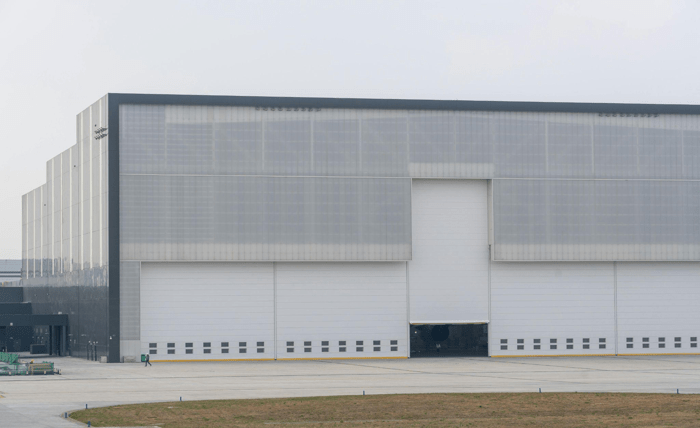
Stronger materials and reliable locking systems help, though they only go so far without maintenance behind them. A garage door that sticks, gaps, or simply does not close with full resistance is an easier target than it needs to be. Scheduling regular commercial garage doors repair keeps these entry points from becoming the kind of detail that gets overlooked until something goes wrong.
Controlled access systems can layer onto this. They do not replace physical upkeep, but they make it possible to know more about who is moving through a space, and when.
Installing Modern Surveillance Systems
Camera systems have changed enough that older setups do not always compare well. Clearer footage, remote access, motion detection. These are not add-ons anymore. They are fairly standard in current systems.
There is also something that happens when cameras are visible. People move differently in spaces they know are being watched. It is not foolproof, but the effect is real. And when something does happen, having footage to return to changes what is actually possible in the hours that follow.
Upgrading to Smart Access Systems
A physical key does not announce when it has been copied. It does not record who used it or when. It just works, or does not, without leaving much behind.
Smart access systems change that relationship. Key cards, mobile entry, fingerprint scanners. These options make it possible to set boundaries around specific areas and specific times. When someone leaves the company, access ends without a locksmith visit. The level of control is different, and for most facilities, that difference matters more as the building gets busier.
Improving Lighting Around the Facility
Dark areas tend to go unnoticed until they become relevant. A poorly lit corner near a loading bay or a dim stretch of parking lot does not seem urgent on a regular evening. Then something happens there, and the lighting suddenly becomes the first thing mentioned.
Floodlights handle the wider coverage, particularly around open lots and service zones where a single fixture does not reach far enough. Motion sensor versions are practical here. They activate when movement is detected, which draws attention without keeping everything running all night. Entrances, parking areas, and loading bays benefit the most from this combination. A lit space does not prevent everything, but it removes a certain kind of cover that makes some situations easier to avoid.
Adding Alarm and Alert Systems
Alarm systems work partly because of what they do in the moment, and partly because of what they represent before anything happens. The presence of a system changes the calculation for someone testing a space.
When something does occur, real-time notifications mean a response can begin even when no one is on site. The gap between an incident starting and someone becoming aware of it gets smaller. That window matters more than it might seem from a distance.
Securing Loading Docks and Service Areas
Loading docks are where the rhythm of a facility becomes most visible. Trucks arrive, goods move, people come and go in patterns that become predictable over time. That predictability is useful for operations, and it is useful for other reasons too.
Cameras, access controls, and barriers at these points bring some structure to an area that can otherwise be difficult to monitor. Knowing who enters and when is less about distrust and more about having a record when something does not add up later.
Training Staff on Security Practices
Equipment works differently when the people around it understand what it is for. A camera that no one checks regularly is still recording, but the value of what it captures depends on someone knowing to look.
Staff training does not need to be elaborate. Short, consistent sessions that cover basic practices, how to secure a door properly, what to report and when, how access controls actually work, tend to settle in better than longer, less frequent ones. When everyone has a shared understanding, the system starts to function more like one piece rather than several separate things running alongside each other.
Security in a commercial facility is rarely about one big decision. It is more often about noticing the small things that have slipped, making a change, and staying consistent enough that the gaps do not quietly come back. Each part of the setup supports the others. The goal is not a perfect system. It is a system that keeps working, reliably, on an ordinary day.