You might be feeling a little stuck right now. You try to brush, you try to floss, maybe you even keep up with your cleanings, yet you still hear about cavities, bleeding gums, or feeling tired and run down. It can feel confusing and a bit unfair. You are doing what you were told, so why does your mouth still feel like a weak link in your health. A Santa Rosa dentist can help you understand what’s really going on and what to change so your daily efforts finally start paying off.end
Because of this tension, you might wonder if there is a missing piece. Something that connects your teeth, your gums, your energy, and even your mood. That missing piece is often what you eat every single day. Nutrition is not just “good” or “bad” in a vague way. It quietly shapes the strength of your enamel, the balance of bacteria in your mouth, your body’s ability to fight infection, and the way you heal.
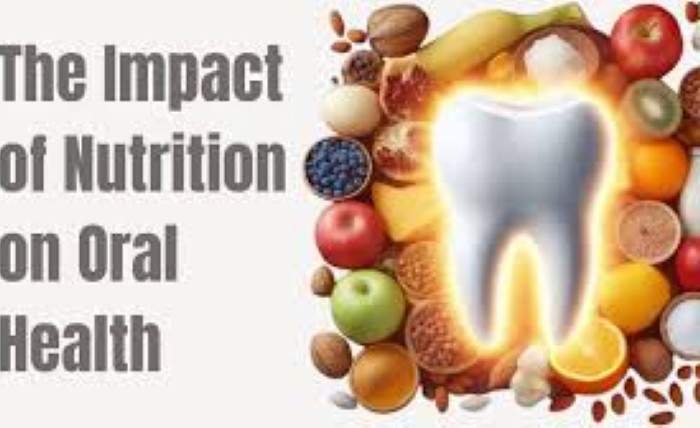
Here is the simple summary. The food and drinks you choose can either support strong teeth and a healthy body, or they can slowly wear both down. Sugar and ultra processed foods feed harmful bacteria and raise inflammation. On the other hand, whole foods, fiber, and certain vitamins help protect enamel, calm your gums, and support your immune system. When you understand this connection, you can use everyday meals to protect both your smile and your long term health.
Why does what you eat show up first in your mouth?
Think about how often your mouth is “on duty.” Every sip of soda, every snack, every late night dessert passes through your teeth and gums before the rest of your body deals with it. If your day is filled with sugary drinks or frequent snacking, your teeth are under constant attack, even if you brush morning and night.
The problem starts with simple chemistry. Bacteria in your mouth love sugar and refined starches. They turn them into acid. That acid then softens and erodes enamel. Over time, this leads to cavities. Your saliva works hard to neutralize acids and repair small areas of damage, but if snacks and sweets keep coming, your mouth never gets a break.
On top of that, poor nutrition can leave your gums more likely to bleed and your body slower to heal. If you are low in key nutrients like vitamin C, vitamin D, calcium, or protein, your immune system has to work harder, your jaw bone may weaken, and gum disease can progress more quickly.
So where does that leave you. It often leaves you feeling like you are chasing problems at the dentist, while your daily habits quietly keep creating new ones. That is frustrating, and it can also feel expensive when treatment keeps stacking up.
How does oral health reflect your overall health?
Your mouth is not separate from the rest of you. In many ways it is a mirror. Bleeding gums, chronic bad breath, dry mouth, or frequent infections can all be early signs that something deeper is off, such as high blood sugar, nutrient deficiencies, or ongoing inflammation.
Gum disease in particular is strongly linked with conditions like diabetes and heart disease. When gums are inflamed and infected, bacteria and inflammatory chemicals can enter the bloodstream. That can place more stress on your heart and your immune system. Poor nutrition, especially diets high in added sugars and low in whole foods, can make this cycle worse.
On the other hand, choosing foods that support nutrition for oral and overall health can help your entire body. Enough protein supports healing after dental work. Calcium and vitamin D support your teeth and jaw bone. Fiber rich fruits and vegetables help “scrub” teeth and promote healthy digestion and blood sugar control. Healthy fats support your brain and reduce inflammation.
Government health agencies have emphasized this connection for years. For example, you can see how nutrition and oral health are linked in resources from the Health Resources and Services Administration, such as the information on nutrition and oral health in community programs. The Centers for Disease Control and Prevention also share broader guidance on eating patterns that support long term wellness, including teeth and gums, in their page on nutrition guidelines and recommendations.
What happens when nutrition habits do not match your health goals?
Imagine two different days.
On the first day, you grab a sweet coffee drink on the way to work. There is a mid morning soda, a quick lunch with fries, then an afternoon energy drink to push through. In the evening, you snack on chips or cookies while watching a show. You might brush twice, but your teeth were bathed in sugar and acid for most of the day. Your blood sugar went up and down, and your gums had to deal with more inflammation.
On the second day, you start with water and a simple breakfast that includes protein and fruit. You sip plain water or unsweetened tea through the morning. Lunch includes a mix of vegetables, some whole grains, and lean protein. You still enjoy a small treat, but you have it with a meal, not by itself all afternoon. You finish the day with a balanced dinner, then brush and floss before bed. Your mouth had time to recover. Your body had steady fuel instead of constant spikes.
Both days are realistic. The first day is common when life is busy, you are stressed, or you feel too tired to plan. The second day takes more intention, but it does not require perfection or fancy food. The difference shows up over months and years in fewer cavities, calmer gums, better energy, and often fewer medical surprises.
What trade offs should you consider when changing how you eat?
It is natural to worry about cost, convenience, and enjoyment. You might wonder if healthier choices mean bland meals, complicated recipes, or a bigger grocery bill. Not every change has to be big. Even small shifts can help your teeth and your body.
| Choice | Short term effect on your mouth | Long term effect on health | Practical tip
|
|---|---|---|---|
| Sugary drinks all day | Frequent acid attacks, higher cavity risk | Weight gain, higher risk of diabetes and heart disease | Limit to 1 small serving with a meal, use water between |
| Water and unsweetened drinks | Supports saliva, helps rinse food and acid | Better hydration, supports energy and focus | Keep a refillable bottle nearby, flavor with citrus slices |
| Sticky sweets as snacks | Sugar clings to teeth, feeds bacteria longer | More dental work, higher inflammation | Have sweets with meals, choose smaller portions |
| Whole fruits and nuts | More chewing, more saliva, less added sugar | Better blood sugar control, more fiber and nutrients | Pre portion snacks in small containers or bags |
| Frequent fast food meals | Often high in sugar and refined starches | Higher risk of obesity and chronic disease | Choose options with vegetables and grilled protein when possible |
Three simple steps to support your mouth and your body with food
- Tame the sugar frequency, not just the total amount
You do not have to remove every sweet food to protect your teeth. What matters most is how often your mouth is exposed. Try to keep sugary foods and drinks with meals instead of sipping or nibbling all day. If you enjoy a sweet coffee, have it with breakfast, not stretched over the entire morning. Rinse with water after. This gives your enamel time to recover and your saliva time to do its job.
- Build “tooth friendly” plates
When you think about a meal, picture how it will treat your mouth. Aim to include a source of protein, some healthy fat, and plenty of fiber. For example, yogurt with berries and a small handful of nuts, or grilled chicken with vegetables and brown rice. Protein supports healing. Calcium rich foods like dairy or fortified alternatives support teeth and bone. Crunchy fruits and vegetables help clean surfaces as you chew. This type of eating supports strong teeth, balanced blood sugar, and steady energy. It is a practical example of nutrition for healthy teeth and body.
- Pair good food choices with consistent dental habits
Food cannot replace basic care. It works with it. Brush twice a day with fluoride toothpaste. Floss once a day to clean between teeth where food and bacteria hide. If you have a dry mouth, which can be caused by some medications or health conditions, sip water often and talk with a dentist about options. When you combine steady home care, thoughtful eating, and regular checkups, you protect your smile and also support your wider health.
Where do you go from here?
You do not need a perfect diet or a long list of rules to protect your mouth and your body. You need a clear understanding of how everyday choices add up and a few steady habits you can stick with even on hard days. Small changes in drinks, snacks, and meal balance can reduce cavities, calm gum inflammation, and support the rest of your body at the same time.
Feeling overwhelmed is normal. Change rarely happens overnight. Start with one or two shifts that feel possible, pay attention to how you feel, and keep building from there. Your teeth, your energy, and your long term health are all on the same team, and the way you nourish yourself is one of the most direct ways to support them.