You might be looking at your child’s beautiful new smile, or maybe your own veneers or whitening, and feeling a mix of pride and worry. Whether it’s from recent teeth whitening in Richmond Hill, NY or other cosmetic work, practices start up, games fill the calendar, and a quiet thought keeps nagging at you. What if one awkward fall or stray elbow undoes all that time, money, and effort you put into cosmetic dental work.end
If that sounds familiar, you are not alone. Sports seasons bring excitement, but they also bring contact, collisions, and the kind of split-second accidents that can crack a veneer, chip a bonded tooth, or damage a crown. You know you cannot wrap your child in bubble wrap, yet you do not want to sit in the stands holding your breath every time there is a scramble for the ball.
The good news is that you do not have to choose between sports and a healthy, attractive smile. Family dentists who focus on cosmetic care work every day to bridge that gap. They use specific tools and strategies to protect cosmetic work during busy sports seasons, and when you understand those tools, you can breathe a little easier on the sidelines.
Here is the short version. Thoughtful protection usually comes down to four things. Custom mouthguards. Smarter material choices for cosmetic work. Regular checkups during the season. And a clear plan for emergencies. When those pieces are in place, you dramatically lower the risk of a sports injury undoing your dental investment.
Why sports seasons are so hard on cosmetic smiles
It often starts the same way. Orthodontic treatment finishes. Whitening is done. Maybe you or your teen get veneers or bonding to fix chips or gaps. The smile finally looks the way you hoped. Then the sports schedule hits.
Suddenly there are extra practices, tournaments, and late nights. Mouthguards are tossed into backpacks, forgotten in lockers, or chewed on during bus rides. Helmets are shared or worn loosely. You might even hear “It is just practice, I do not need a mouthguard today.” That is usually when accidents happen.
Because of this tension between wanting strong performance and wanting a safe smile, you might wonder where the real risks come from. Is it only full-contact sports like football or hockey. Or do “safer” sports like basketball, soccer, or cheerleading carry risks too.
The reality is that any sport with speed, hard surfaces, or person-to-person contact can threaten cosmetic work. A simple elbow during a rebound can crack a veneer. An unexpected fall in cheer can chip a bonded edge. A soccer goalie diving for the ball can collide with a teammate’s head and fracture a crown.
Beyond the physical pain, there is another layer here. Cosmetic work is an investment. You may have budgeted carefully, rearranged schedules for appointments, and waited months or years for the final result. The idea of starting over, paying again, and watching your child feel self-conscious about their smile can feel heavy and unfair.
This is where a trusted family and cosmetic dentist becomes less of a “tooth fixer” and more of a partner. The goal is not only to repair damage after it happens. The goal is to plan ahead so that cracked veneers, broken teeth, and dental emergencies are much less likely in the first place.
How do family dentists actually protect cosmetic work in sports
Family dentists use several strategies that work together, rather than relying on any single fix. Think of it as building layers of protection around your or your child’s smile.
- Custom sports mouthguards designed for cosmetic work
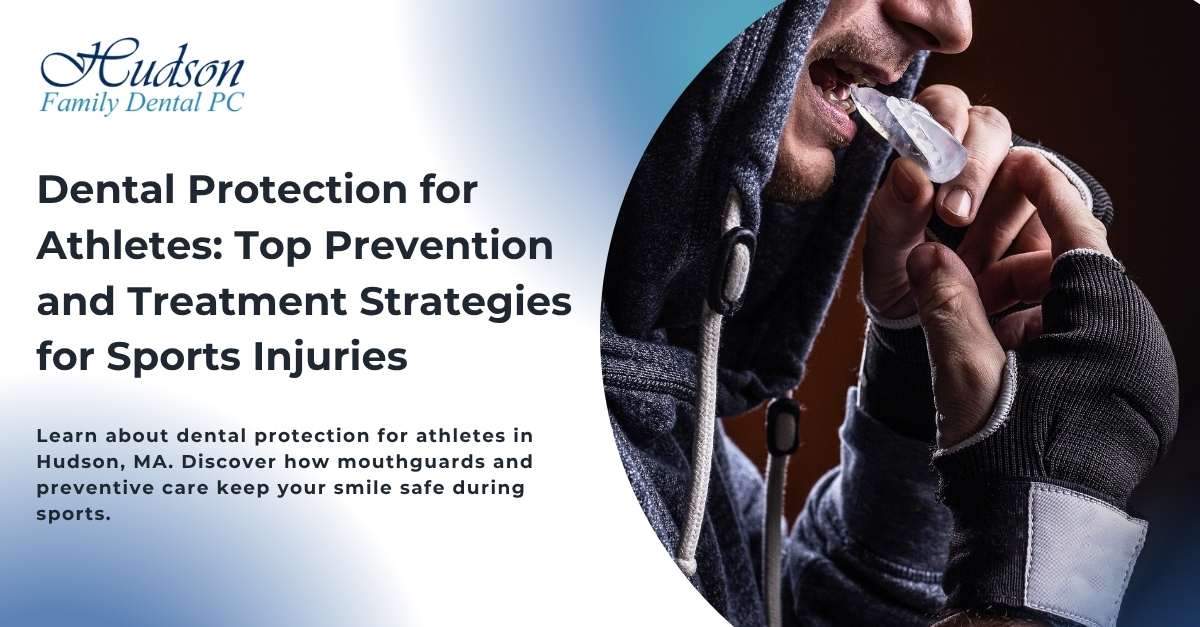
Generic boil and bite guards from the sporting goods aisle are better than nothing, but they often do not fit well, get chewed up quickly, and can shift during impact. When someone has veneers, crowns, bonding, or implants in the front of the mouth, a loose or thin mouthguard is a real problem.
Family dentists can create custom mouthguards that fit snugly over cosmetic work and natural teeth. These are usually made from stronger materials, tailored to the person’s bite, and adjusted around braces or restorations. The American Dental Association explains different types of athletic mouth protectors and highlights why a well fitted guard matters for impact protection.
Custom guards are more likely to stay in place during a hit, which means they spread out the force instead of letting it land directly on one veneer or one tooth. They are also usually more comfortable, so your child is less likely to “forget” to wear it.
- Choosing cosmetic materials with sports in mind
Not all cosmetic treatments are equal when it comes to sports. For example, very thin porcelain veneers can look beautiful, yet they may be more vulnerable to direct blows than a bonded composite build up in certain cases. A family dentist who knows your child plays year round basketball or does competitive cheer can factor that into the treatment plan.
Sometimes that means suggesting stronger ceramics, a slightly thicker veneer, or reinforcing certain edges. Other times it means choosing direct bonding instead of porcelain in high risk areas, especially for younger athletes whose teeth and jaws are still changing.
When cosmetic work is planned with sports in mind, you are not just getting a nice smile. You are getting a smile that has a better chance of surviving a hard season.
- In season checkups and equipment checks
Most families think of dental visits as every six months, but heavy sports seasons can justify more frequent quick checks, especially if a child has braces plus cosmetic work, or has already had a dental injury.
These visits are not just about cavities. A family dentist can check for small cracks in veneers or bonding, areas where a mouthguard is rubbing or not fitting, and early signs of grinding or clenching from stress. Catching these issues early can prevent a minor problem from turning into a full break during a game.
Dentists also understand infection control and proper use of protective gear. The CDC shares guidance on personal protective equipment in dental settings, and the same careful mindset can carry over into how your family handles mouthguards and sports equipment at home. Clean, well maintained gear is less likely to cause sores, irritation, or infections that keep your child out of play.
- Clear emergency plans when something does go wrong
Even with perfect planning, sports are unpredictable. Balls bounce in strange ways. Floors get slick. Someone trips. What matters in that moment is not just the injury, but how quickly and wisely you respond.
Family dentists often talk through “if this happens, do this” scenarios with families. For example, if a veneer cracks, save the piece if possible and call right away. If a tooth gets knocked out, handle it by the crown, not the root, and get to the dentist within an hour if you can. The CDC has reported on emergency dental events in sports in publications such as this dental injury and prevention resource, which reinforces how time sensitive many injuries are.
When you already have a relationship with a dentist who knows your family and your cosmetic history, those emergencies feel less chaotic. You know whom to call. Your dentist knows what your smile looked like before the injury and what materials were used, which speeds up smart repair decisions.
Comparing protection options for cosmetic dental work in sports
It can help to see the choices side by side so you can decide what makes sense for your family’s situation and budget.
| Protection option | Pros | Cons | Best for |
|---|---|---|---|
| Store bought boil and bite mouthguard | Low cost. Easy to find. Some protection is better than none. | Fit is often poor. Can be bulky or uncomfortable. Less reliable protection for veneers and crowns. | Short term use. Backup guard. Non contact practice when custom guard is not available. |
| Custom dentist made sports mouthguard | Snug fit. Better protection for cosmetic work. More comfortable, so more likely to be worn consistently. | Higher cost than store bought. Needs replacement as child grows. | Athletes with veneers, crowns, bonding, implants, or braces who play regularly. |
| Sports aware cosmetic treatment planning | Chooses materials and designs that balance beauty and strength. Reduces risk before the season starts. | May limit some cosmetic options. Can take more planning time. | Anyone considering veneers, bonding, or crowns who plays competitive or contact sports. |
| Regular in season dental checkups | Catches small cracks or fit issues early. Helps adjust guards and gear for comfort and safety. | Requires time away from school or work. Some added cost. | Year round athletes. Those with a history of dental injuries. |
| Emergency only dental visits | No extra planning or appointments if nothing happens. | Higher stress. Potential for more damage and higher repair costs when injuries occur. | Families with very low risk sports and no cosmetic work. Not ideal for most cosmetic patients. |
Three steps you can take before the next whistle blows
- Schedule a “sports and smile” talk with your dentist
Do not wait for the next six month cleaning if the season is already here. Call your family dentist and ask for a quick visit focused on sports protection. Bring up any existing veneers, crowns, bonding, or implants. Share what sports are played, how often, and what positions.
A good cosmetic family dentist will look at your or your child’s mouth with those details in mind. Together you can decide whether a custom mouthguard is needed, whether current cosmetic work is at higher risk, and what to watch for as the season unfolds.
- Upgrade the mouthguard plan
If you are currently relying on a worn, chewed up guard from last season, it is time to rethink. Ask your dentist about a custom guard, especially if there is any cosmetic work in the front teeth or if braces are involved. If a custom guard is not possible right now, at least replace old store bought guards with new ones and watch for fit problems.
Agree on clear rules at home. No practice or game without a mouthguard for contact or high risk sports. Store the guard in a ventilated case. Rinse it after each use. Never share mouthguards between players.
- Create a simple dental emergency plan
Write down your dentist’s emergency number and keep it in your phone and your child’s sports bag. Talk through what to do if a tooth chips, a veneer breaks, or a tooth is knocked out. It does not need to be dramatic or scary. Just clear.
For example. If there is a chip or crack, save any broken pieces in a clean container and call the dentist. If a tooth is knocked out, gently rinse it, avoid touching the root, and place it in milk or a tooth preservation kit if available, then seek care right away. Knowing these steps ahead of time turns panic into action.
Bringing it all together so you can enjoy the season
You care about your family’s smiles for good reasons. They represent confidence, hard work, and often real financial sacrifice. Sports bring their own kind of joy and identity. You should not have to give up one to protect the other.
By working with a trusted family dentist who understands cosmetic care and sports, you can put quiet safeguards in place. Custom mouthguards, thoughtful cosmetic planning, in season checkups, and a simple emergency plan can all work together so that the season feels exciting, not nerve wracking.
You do not need to overhaul your life. You just need a few intentional steps and the right guidance. With that support, you can watch the next game from the stands with more confidence, knowing you have done what you can to protect both performance and that hard won smile.