
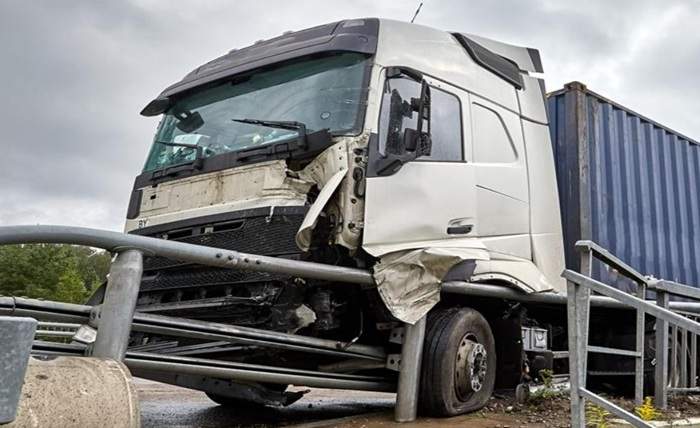
Truck accident claims often begin at a moment when everything already feels overwhelming.
A damaged vehicle, medical visits, and unanswered questions can quickly turn into a long and confusing process. On top of that, insurance companies and trucking firms begin their own investigations almost immediately. This early stage often decides how the claim moves forward. Many people start trying to manage everything alone, thinking it will stay simple.
In reality, the system is far more layered than it looks. This is where the question of whether you need a lawyer after a truck accident becomes important, especially when the stakes involve health, money, and long recovery timelines. Here are five reasons that explain why.
1. Multiple parties are often involved
Truck accidents are rarely simple two-car situations. A single crash can involve several different groups, each with its own interest in the outcome.
These may include:
- The truck driver
- The trucking company
- Insurance providers
- Cargo loading companies
- Maintenance contractors
Each party may try to reduce its responsibility. This makes the claim more layered and harder to manage without guidance. Communication also becomes complicated because statements from one side can affect the other.
In many cases, people realize later that they need a lawyer after a truck accident just to help organize the number of voices involved in the process and keep the claim structured.
2. Trucking companies have strong legal teams
Trucking companies do not wait after an accident. They often start working on the case within hours. Their goal is to protect their business and limit financial loss.
Their teams may:
- Collect evidence from the accident scene quickly
- Interview drivers and witnesses early
- Review vehicle data and logs
- Work with insurance representatives immediately
- Prepare legal defenses from day one
This fast response can make a big difference in how evidence is preserved and presented. A person handling a claim alone may not have the same speed or resources, which can create an imbalance during negotiations.
3. Evidence can be complex and time sensitive
Truck accident cases rely heavily on technical evidence. This information is not always easy to access or understand without experience.
Important evidence includes:
- Black box data from the truck
- Driver work logs and rest schedules
- Maintenance and repair records
- GPS tracking history
- Surveillance footage from nearby locations
Some of this data can be lost or overwritten if not requested in time. That is why timing matters so much. Once information disappears, it becomes harder to reconstruct what really happened during the accident.
Understanding how to gather and protect this evidence is one reason many people choose not to manage the process alone.
4. Insurance companies may try to reduce payouts
Insurance companies are part of the process, but their goal is to control costs. This often affects how claims are handled from the beginning.
Common approaches include:
- Offering early settlements that are lower than expected
- Questioning how serious the injuries are
- Asking detailed questions to find inconsistencies
- Delaying responses to pressure claimants
- Requesting recorded statements for review
These actions can make the process stressful and confusing. Without a full understanding of claim value, people may accept offers that do not reflect long-term medical or financial needs.
5. Medical and financial damages are often long-term
Truck accident injuries are often more serious than typical road accidents. Recovery may take time and involve ongoing treatment.
Possible long-term impacts include:
- Continuous medical care and follow-up visits
- Physical therapy or rehabilitation
- Lost wages due to missed work
- Reduced ability to work in the future
- Costs related to long-term recovery support
These expenses may not appear immediately after the accident. They often develop over weeks or months. This is why early settlement decisions can be risky if all future costs are not fully understood.
Proper evaluation of damages becomes important when looking at the full impact of the accident over time.
Final Word
Truck accident claims involve many moving parts, from multiple responsible parties to detailed evidence and long-term financial concerns. Each stage of the process carries decisions that can shape the final outcome. Because of this complexity, many people reconsider handling everything on their own after reviewing how the system works.
Understanding these five reasons provides clarity on why support is often sought during such cases, especially when dealing with serious injuries and complicated claim procedures.