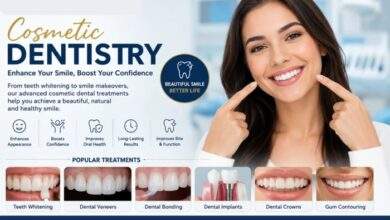

You might be feeling something is “off” with your mouth, even if you cannot quite name it. Maybe your jaw feels tired at the end of the day, or one tooth seems to hit first when you close, or you wake up with headaches and no clear reason. Your smile might look fine in the mirror, yet chewing feels uneven or uncomfortable. It can be frustrating, because this is not a sharp pain that sends you running for an emergency visit. Solutions like dental implants in Fairfield, ME can help restore comfort and function, but it is often a quiet, ongoing stress that you start to ignore, until it begins to affect how you eat, sleep, and even concentrate.end
That is usually where regular dental bite evaluations come in. In simple terms, your dentist checks how your upper and lower teeth meet, how your jaw joints move, and how your muscles respond. When this balance is off, problems build slowly. When it is corrected early, your teeth, gums, and jaw are protected for years. So the short version is this. Regular bite checks help prevent tooth wear, jaw pain, cracked fillings, and even some headaches, and they make your dental work last longer. They are not just about comfort today. They are about protecting your mouth for the long run.
What happens when your bite is “just a little off” and why it matters
Think about how many times a day your teeth touch. Eating, talking, swallowing, clenching when you are focused, grinding when you are stressed or asleep. If your bite is uneven, one small high spot or misaligned tooth can take more force than it should, every single time your teeth come together. At first, you might only notice a slight “click” when you chew, or a tooth that feels taller than the rest.
Over time, that mild annoyance can turn into real damage. An uneven bite can cause:
- Chipped or cracked teeth and fillings. • Gum recession around overloaded teeth. • Jaw joint strain, popping, or pain. • Muscle tension in the cheeks, temples, or neck. • Headaches, especially in the morning.
Because of this slow build, you might wonder if you are imagining it. Maybe you think you are just stressed, or sleeping funny. Yet your bite is a mechanical system. If the forces are not shared evenly, something will eventually give. That is why occlusal analysis, which is the more technical name for a dental bite evaluation, is such an important part of a routine exam, even if you do not feel “in pain.”
How an unbalanced bite affects more than just your teeth
Here is where it often becomes emotional and financial, not just physical. Imagine this scenario. You invest in a crown on a back tooth. It looks great, fits well, and you leave the office happy. No one checks your bite carefully, or your jaw shifts slightly as you heal. A few months later, that crown starts to feel tender. You chew on the other side. Another tooth wears down from the extra pressure. Suddenly you are back in the chair needing more work, and you are wondering why “everything keeps breaking.”
Or picture yourself waking up with jaw stiffness every morning. You tell yourself you just grind your teeth, and you try to ignore it. Without regular bite checks, your dentist may not catch how your top and bottom teeth are colliding at night. The grinding continues. Enamel thins. You find sharp edges on your front teeth, and your smile slowly changes. That can affect your confidence, not just your comfort.
None of this means you have done anything wrong. Many bite problems come from natural tooth wear, old fillings that shift, missing teeth that were never replaced, or small changes in how your jaw closes over time. Even good brushing and flossing are not enough by themselves. For overall protection, home care needs to work together with professional care, including bite evaluations and cleanings. If you want a simple overview of daily oral care, this guide to oral health tips for adults is a good place to start, then your dentist builds on that foundation during visits.
So what exactly is checked during a regular dental bite evaluation?
During a routine dental bite check, your dentist is looking at several layers of your oral health at the same time.
- How your teeth meet when you gently close. • Whether one side hits harder or sooner than the other. • Any signs of grinding or clenching on the teeth. • The way your jaw joints move and sound. • How your muscles feel when you bite and relax.
This might involve using thin colored paper between your teeth, asking you to bite and slide, gently pressing around your jaw joints, or even using digital tools if available. The goal is not to make you fit a “perfect” textbook bite. The goal is a stable, comfortable bite that works for your unique mouth without causing damage.
Good bite evaluations are part of broader oral health care that also includes gum checks, cavity detection, and cancer screening. If you are curious about the bigger picture of oral health and why dentists watch so many details, you can read more about overall oral health from public health experts.
Comparing the risks and benefits of regular bite evaluations
It can help to see the tradeoffs clearly. Many people skip or rush bite checks because they feel fine in the moment, then face bigger problems later. Here is a simple comparison to put things in perspective.
| Choice | Short-term experience | Long-term risks | Long-term benefits |
|---|---|---|---|
| Skip or ignore regular bite evaluations | Visit feels quicker. No extra discussion about your bite. | Hidden tooth wear, cracked fillings, jaw pain, higher repair costs, possible changes in your smile over time. | None. Problems are usually found only after damage appears. |
| Have consistent bite checks with a general dentist | A few extra minutes of gentle testing and questions during exams. | Occasional minor adjustments or a night guard may be needed to protect teeth. | Better comfort, less tooth damage, fewer surprise emergencies, dental work that lasts longer. |
When you see it this way, regular bite evaluations are a small investment of time that helps you avoid larger emotional and financial costs. They are one of those quiet habits that protect you in the background.
Three practical steps you can take right now
- Pay attention to small warning signs
Over the next week, notice how your bite feels in different situations. Do your teeth feel even when you gently tap them together. Do you chew more on one side. Are there certain foods that trigger jaw fatigue. Do you hear clicks or pops when you yawn or chew. Write down anything that feels off, even if it seems minor, and bring it to your next appointment. These small clues help your dentist fine tune your bite more accurately.
- Ask for a specific bite evaluation at your next checkup
Many people assume their bite is checked automatically. Sometimes it is, sometimes it is rushed. At your next visit, simply say you would like your bite and jaw to be evaluated in detail. Ask whether any teeth are taking extra force, and whether a small adjustment, replacement of old fillings, or a simple night guard could help. This turns a routine visit into a targeted general dentist check of how your mouth is really functioning, not just how it looks.
- Strengthen your daily habits so bite issues do less damage
A healthier mouth can handle stress better. Good brushing, flossing, and fluoride use keep your enamel and gums stronger, which means less damage if your bite is slightly off. For straightforward daily guidance, you can look at this resource on basic oral hygiene habits. Combine those habits with regular professional care, and your bite has a much better chance of staying balanced and comfortable.
Moving forward with more confidence about your bite
You do not have to live with a bite that feels “almost right” or teeth that seem to be wearing out faster than they should. You also do not need to understand every technical term to benefit from regular bite checks. Your part is simple. Pay attention to how your mouth feels, speak up about even small changes, and make sure your routine visits include a careful look at how your teeth meet.
A regular dental bite evaluation is a quiet form of protection. It helps guard your teeth, your jaw, and even your future dental budget. The earlier you address imbalances, the more options you have and the less disruption you face.
The next step is straightforward. Schedule a checkup with a trusted general dentist and ask for a focused review of your bite and jaw comfort. One calm, thoughtful visit can bring a lot of clarity and relief, and it can set you up for years of easier chewing, fewer surprises, and a smile that feels as good as it looks.