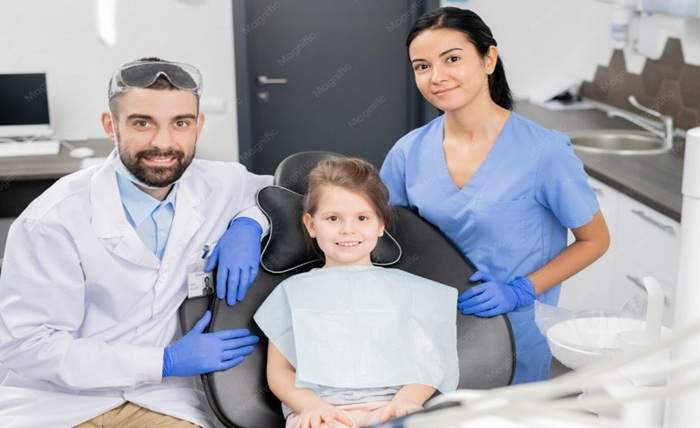
You might be doing what so many parents and caregivers do, trying to keep up with school schedules, work, meals, and appointments, while also wondering whether your dental visits feel a little too rushed, too generic, or too focused on the basics. Maybe everyone gets the same advice, the same cleaning routine, and the same quick goodbye. If that has been nagging at you, you are not overthinking it. Dental care should feel personal, especially when one office is caring for children, teens, adults, and older family members with different needs. If you are looking for a dentist servicing Littlestown, Hanover, and Gettysburg, PA, it can make all the difference to find a practice that takes time to understand each person and tailor care accordingly.
At its core, personalized dental care means your dentist sees more than a chart or a set of teeth. Your concerns, your child’s comfort, your medical history, your routines at home, and even your questions should shape the care you receive. If you have been wondering how to tell the difference, there are a few clear signs. A good family dentist builds trust, explains choices in plain language, adjusts care for each person, and helps your family create a long term plan instead of just treating problems as they pop up.
Does Your Family Dentist Take Time to Know Your Whole Family Story?
One of the clearest signs of personalized family dental care is that your dentist asks thoughtful questions and remembers the answers. That can mean asking about a child’s brushing habits, a teen’s sports mouthguard, a parent’s stress related grinding, or an older adult’s medications and dry mouth. It can also mean paying attention to sensory needs, developmental differences, or anxiety around treatment.
This matters more than many people realize. The American Academy of Pediatric Dentistry explains the value of a dental home, a steady relationship where care is coordinated, consistent, and tailored to the patient over time. When a dentist works this way, visits tend to feel less reactive and more supportive.
So, where does that leave you if every visit feels the same no matter who is in the chair? It may be a sign the office is treating symptoms, not caring for people. A truly personal approach looks different because your family is different.
Are You Getting Clear Conversations Instead of Fast Instructions?
Personalized care depends on communication. You should not leave an appointment confused about what was found, what needs attention, or why a treatment was suggested. A dentist who provides individual dental care usually explains options in simple terms, pauses for questions, and checks that you understand the next step.
That kind of back and forth is not a small thing. It is part of good health care. MedlinePlus offers practical tips for talking with your doctor, and those same habits apply at the dental office. You should feel comfortable bringing up pain, budget concerns, habits at home, or worries about a child’s behavior during visits.
What if your child is nervous and shuts down during exams? What if you are balancing care for multiple family members and need treatment priorities explained clearly? A dentist who personalizes care will slow the conversation down, not make you feel like you are holding up the schedule.
Can the Office Adapt Care for Different Ages, Needs, and Health Conditions?
Families are rarely simple. One child may love the dentist while another needs extra reassurance. A grandparent may need help with denture care. A spouse may have gum issues. A child or adult with a disability may need modified communication, a calmer environment, or more time. Personalized care means the office adjusts rather than expecting every patient to fit one routine.
The National Institute of Dental and Craniofacial Research shares guidance on oral health and developmental disabilities, which is a helpful reminder that dental care is not one size fits all. A dentist who understands this will ask what supports work best, what triggers to avoid, and how to make visits more manageable.
Because of this, one strong sign of a good dentist for families is flexibility. Not chaos. Not a lack of standards. Real flexibility means adjusting the pace, communication style, and care plan to meet the person in front of them.
Is Your Dentist Building a Plan, or Just Fixing Today’s Problem?
It is easy to mistake treatment for care. A filling gets done, a cleaning is finished, and the visit is over. But a family dental practice that offers personal care looks ahead. You hear things like, “Here is what we should watch over the next year,” or “Since braces may be coming, let’s protect these areas now,” or “This habit could lead to bigger issues if we do not address it early.”
That forward thinking can lower stress and cost over time. Small issues caught early often mean simpler treatment later. It also helps your family feel less blindsided. You are not just reacting to pain or surprise bills. You are making informed choices with a plan in place.
What Does Personalized Care Look Like in Real Life?
| Sign | Generic Dental Experience | Personalized Dental Experience |
|---|---|---|
| Communication | Fast instructions with little discussion | Clear explanations, questions welcomed, options reviewed |
| Care Planning | Focus on today’s procedure only | Short term and long term planning for each family member |
| Patient Needs | Same routine for everyone | Adjustments for age, anxiety, medical history, and comfort |
| Relationship | You feel like a time slot | You feel known, remembered, and included in decisions |
If you look at that comparison and feel a pang of recognition, that is worth paying attention to. You do not need perfect visits. You need a dental team that treats your family like individuals.
What Can You Do Right Now to Find the Right Family Dentist?
- Pay attention to the questions the office asks. Before and during the visit, notice whether the team asks about health history, routines, fears, medications, and past experiences. Good care starts with curiosity.
- Bring a short list of concerns. Write down two or three things before the appointment, such as sensitivity, brushing struggles, speech or developmental concerns, or financial limits. A dentist who provides tailored dental care will address those points directly.
- Notice how the plan is explained. After the exam, ask what needs attention now, what can wait, and what to watch over time. If the answer is clear and specific to your family member, that is a strong sign you are in the right place.
When Care Feels Personal, Your Family Feels More at Ease
If dental visits have felt impersonal, rushed, or hard to trust, you are not asking for too much. You are asking for care that fits real life. The right family dental practice helps you feel heard, gives you clear guidance, and treats each person in your home as an individual with their own needs. That kind of care can change how your family feels about going to the dentist, and it can make decisions easier over time.
You deserve a dentist who sees the full picture and helps your family move forward with confidence.