You might be noticing changes that seem small at first, then harder to ignore. Your mouth feels dry more often. Your gums seem tender when they never used to. Maybe brushing stings a little, or your breath feels different by midday. When menopause is already shifting your sleep, mood, and energy, mouth changes can feel like one more thing you did not ask for. That frustration is real, and finding an expert and comprehensive dentist near Madison TN can help you get the support you need.
The good news is that these changes are common, and they are worth talking about early. If you are wondering about 7 Questions To Ask About Dental Care During Menopause, the short answer is this. Ask about dry mouth, gum changes, bone health, cavity risk, burning sensations, home care products, and how often you should come in for checkups. Those questions can help you protect your comfort and your long term oral health.
Why can menopause affect your mouth more than you expected?
Hormone changes can affect more than hot flashes and sleep. They can also change the tissues in your mouth, the way saliva works, and how your gums respond to plaque. Because of that, some women notice dryness, irritation, changes in taste, or more sensitivity. According to the National Institute of Dental and Craniofacial Research, dry mouth can raise your risk for tooth decay and oral infections, which is why it matters so much.
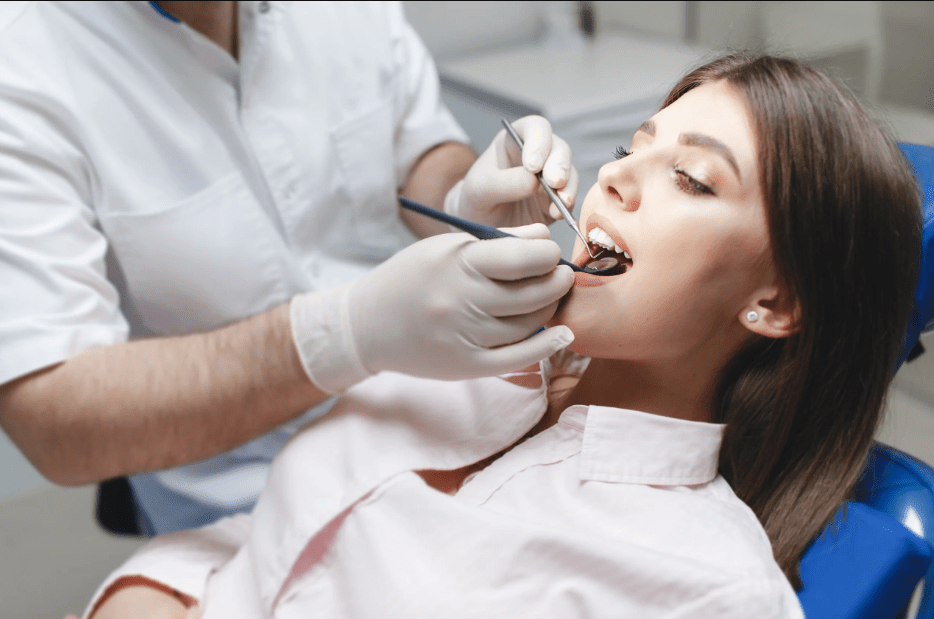
So, where does that leave you when you are sitting in the dental chair and not sure what to ask? It helps to keep the conversation simple and direct. A family dentist can walk you through what is normal, what needs treatment, and what can be managed with small changes at home.
What are the 7 questions to ask about oral health during menopause?
Start with these seven.
- Is my dry mouth related to menopause, medication, or both?
- Are my gums showing signs of inflammation or recession?
- Has my cavity risk gone up because of lower saliva flow?
- Should I be concerned about bone loss affecting my teeth or jaw?
- Why does my mouth burn, sting, or feel more sensitive lately?
- Which toothpaste, rinse, or products are safest for my symptoms?
- How often should I schedule cleanings and exams right now?
These questions matter because symptoms often overlap. A dry mouth issue may be tied to hormone changes, but it can also be made worse by antihistamines, blood pressure medicine, or poor sleep. Sore gums may be linked to plaque buildup, but they can also reflect changing tissue response during menopause. When you ask clear questions, you get a clearer plan.
How do dry mouth, gum changes, and bone health connect?
It is easy to think of each symptom as its own problem, but they often work together. If your mouth is dry, saliva cannot protect your teeth as well. That can make cavities more likely, especially near the gumline. If your gums are irritated, brushing may feel unpleasant, so you may brush less thoroughly. Then plaque builds up faster, and the cycle keeps going.
There is also the question of bone health. Research supported by the Office of Research on Women’s Health has explored the link between menopause and oral changes, including periodontal concerns and bone related issues. You can read more in this NIH overview of women’s oral health and menopause. If you have osteopenia, osteoporosis, or a history of gum disease, that is worth bringing up at your visit.
And what if you are not sure whether your symptoms are serious? That is exactly why regular care matters. Small signs can be easy to miss on your own, especially when life is busy.
What can you do at home, and when should a family dentist step in?
Home care still matters a great deal, but menopause can change what “good home care” looks like for you. You may need a softer toothbrush, a fluoride rinse, more water through the day, or sugar free gum or lozenges to help stimulate saliva. The National Institute on Aging offers helpful guidance on taking care of your teeth and mouth as you age, including brushing, flossing, and keeping up with dental visits.
Still, home care has limits. If you have gum bleeding, ongoing dryness, mouth sores, pain when chewing, or sudden sensitivity, it is time for a closer look. Menopause dental care is not only about comfort. It is also about catching problems before they become expensive or harder to treat.
Which menopause mouth symptoms need home care, and which need a dental visit?
| Symptom or concern | What you can try at home | When to call a dentist |
|---|---|---|
| Dry mouth | Drink water often, use alcohol free rinse, chew sugar free gum | If it lasts more than a few weeks, affects eating, or causes bad breath or cavities |
| Bleeding gums | Brush gently twice a day, floss daily, avoid skipping sore areas | If bleeding continues, gums look swollen, or teeth feel loose |
| Tooth sensitivity | Use toothpaste for sensitive teeth, avoid very acidic foods | If pain is sharp, sudden, or only on one tooth |
| Burning or altered taste | Track triggers like spicy foods or dry mouth | If symptoms keep returning or interfere with meals |
What are 3 smart steps you can take right now?
- Track what has changed. Write down dryness, gum bleeding, sensitivity, taste changes, and any new medicines or supplements. Patterns help your dentist spot the cause faster.
- Update your daily routine. Choose fluoride toothpaste, brush gently for two minutes, floss once a day, and keep water nearby. If your mouth feels dry at night, ask about products made for dry mouth.
- Bring menopause into the dental conversation. Many women do not mention it because they assume it is unrelated. It is related. If you are in perimenopause, menopause, or taking hormone related medication, say so. Better context leads to better care.
How can asking the right questions protect your long term oral health?
You do not need to wait until something hurts to take this seriously. Mouth changes during menopause are common, manageable, and worth attention. When you ask thoughtful questions about dryness, gum health, cavity risk, and bone support, you give your dentist a chance to help early. That can mean less discomfort now and fewer problems later.
If you have been searching for answers about dental care during menopause or wondering whether these symptoms are just part of aging, trust that your concerns are valid. A trusted family dentist can help you sort out what is happening and what to do next.