
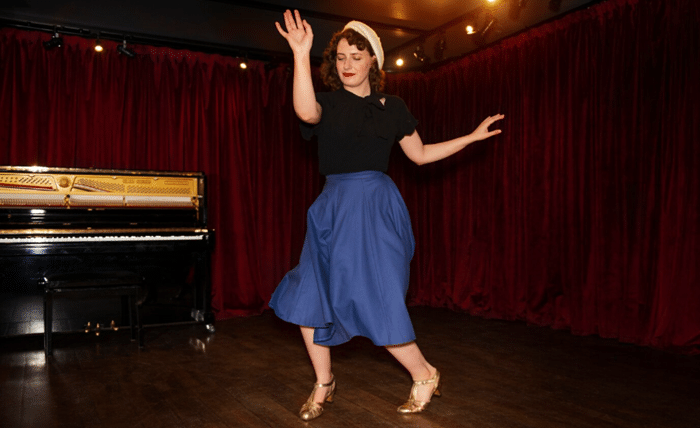
An empty stage can feel more intriguing than a crowded one. For a proposed teaser for a small theatre production, I would begin with a single chair under a narrow pool of light and a curtain that moves just enough to suggest someone is waiting behind it. There would be no plot summary and no invented celebrity appearance. The aim would be to make a short video that gives an audience a reason to wonder what happens next.
The moving curtain is where seedance 3.0 would enter my creative process. Its text-to-video, image-to-video, and reference-based generation capabilities could help turn a simple stage image into a brief atmospheric sequence. Text, images, video, and audio can contribute to the reference approach, but I would begin with a small set of materials. For this project, a stage photograph and a clear description of the movement would matter more than a folder full of unrelated dramatic imagery.
Choose what the audience should not see yet
I would imagine a production built around a missing letter, while keeping the teaser independent of any existing play. The chair and an envelope would provide enough information to suggest a story. Showing a whole cast, a period street, and a dramatic confrontation would reveal too much and introduce unnecessary complexity. My first question would be what the viewer needs to notice in the opening seconds. The answer is the envelope resting on the chair, not the architecture of the theatre.
A reference photograph would need to make that relationship clear. I would place the chair slightly away from the curtain and angle the seat so the envelope remains visible. A neutral envelope would avoid illegible writing or accidental plot details. I would plan to add the production’s title and dates in an editing program later. Keeping generated text out of the set would make the visual task simpler and preserve control over the information the audience must read.
The lighting would carry much of the suspense. I would choose a warm, focused light on the chair and a cooler, softer background rather than extreme darkness. The viewer should be able to see what matters on a phone screen. A teaser that hides every detail may feel mysterious on a large monitor but become an unreadable patch of shadow in a social feed. I would therefore judge the concept at a small size before pursuing elaborate effects.
Make the curtain movement almost incidental
My first Seedance 3.0 brief would describe a locked camera, the chair and envelope remaining still, and a small movement along one edge of the curtain. I would want the movement to arrive after the viewer has had time to look at the chair. A sudden opening would feel like an announcement; a slight shift would feel like a question. That distinction would guide the timing more than any generic request for a cinematic look.
The written shot direction could be: “A quiet theatre stage with one wooden chair and a plain envelope on the seat, warm light on the chair, a dark blue curtain behind it, steady framing, the curtain edge moves gently while the chair remains still.” This is a proposed prompt, not a claim about a guaranteed result. I would inspect whether the envelope stays recognizable and whether the curtain moves as fabric rather than changing into an unrelated shape.
I would resist adding a camera push immediately. The first version should establish whether the central image works in motion. If it feels too static, a later version could introduce a very restrained forward movement. Seedance 3.0 would help me explore those alternatives, but the decision would remain a storytelling one: does the new movement draw attention toward the envelope, or does it merely make the frame busier?
Let a sound cue imply the unseen action
For the audio direction, I would consider a short rehearsal-room recording or a simple musical phrase made for the project. A distant footstep followed by a pause could suggest someone approaching without requiring a visible character. I would obtain permission for any recording and avoid copying a recognizable score from another production. The teaser needs its own small identity, even if the materials are modest and the final video lasts only a few moments.
An audio reference in the Seedance 3.0 workflow could help communicate the desired rhythm, but I would not assume that the generated output supplies a finished sound mix or exact synchronization. In the editor, I would position the footstep before the curtain movement and then leave a short silence. That silence would give the audience time to connect the sound with the image. Continuous dramatic music could remove the uncertainty that makes the scene interesting.
When the envelope becomes the wrong kind of mystery
If the first generation made the envelope grow, slide, or change colour, I would not describe that as an artistic surprise. It would interrupt the intended story. My next Seedance 3.0 version would reduce the movement further and keep the envelope in a less prominent part of the frame until the scene settles. Another option would be to use a real close-up of the envelope and reserve generated motion for the wider stage view.
I would also compare the curtain’s position at the beginning and end of each usable segment. A large unexplained change could make a cut feel like a continuity mistake rather than a deliberate transition. Instead of hiding it beneath a rapid montage, I would select a shorter section or revise the movement. The whole concept depends on restraint. A clean, quiet moment would be more useful than a longer clip with an obvious distraction near the middle.
Leave the audience with a clear invitation
The final edit would return to the chair after the brief movement, then introduce the production title over a simple background. Seedance 3.0 would have helped develop the moving atmosphere, while the editor would handle the typography, sound, timing, and final format. I would make a vertical version by reconsidering the space around the chair, not by cropping away the curtain edge that carries the action. The teaser’s small visual clue needs to survive every version.
Before calling the film ready, I would watch it once with sound muted and once without looking at the screen. The image should suggest anticipation, and the sound should support that feeling without explaining the whole story. The finished piece would not pretend to show an actual performance or promise a spectacle the production cannot deliver. It would offer something more modest and more appropriate for a small stage: a chair, an unopened letter, and the possibility that someone is about to enter.