
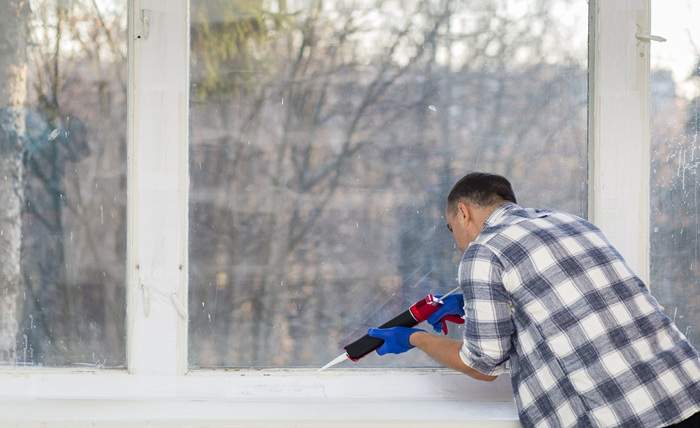
A damp windowsill after a storm can send you straight to the hardware store. A tube of sealant seems like an easy answer, especially when the gap looks obvious. But before applying anything, establish what you are actually dealing with.
When a window appears to leak, protect nearby belongings, document where water appears and note the weather conditions. Then arrange an assessment if the source is unclear, damage is visible or the problem keeps returning. Condensation, drainage problems and water entering around the opening require different responses.
The useful first step is gathering enough information to avoid repairing the wrong thing.
Notice Where the Water Appears
Look carefully before wiping everything dry. Is moisture forming across the room-facing glass, collecting in a corner or running down the wall above the window?
Take a wide photograph showing the whole opening, followed by closer images of wet areas. Include the surrounding wall and trim.
Record whether you can wipe the moisture away from inside. If fogging appears trapped between panes, photograph that separately.
These observations do not establish a diagnosis, but they give a professional more information than “the window leaks.”
If you are researching how to fix a leaking window, use what you observe to identify questions rather than selecting a repair immediately.
Separate Condensation From Suspected Rain Entry
Moisture on glass does not always mean rain has entered. Condensation can form when moist air meets a sufficiently cold surface.
Natural Resources Canada’s explanation of window condensation notes that the risk increases as outdoor temperatures fall or indoor humidity rises. It also explains that restricted air movement near windows can contribute.
Ask yourself when the moisture appears. Does it follow rain, occur on cold mornings or show up in several rooms?
Write down those patterns. If you have a humidity monitor, record its reading alongside the date and conditions.
Avoid assuming that one explanation accounts for every wet area. Bring conflicting observations to the assessment.
Protect the Area While Arranging Help
Move curtains, furniture and belongings away from the wet area where practical. Absorb accessible water and replace saturated towels rather than leaving them against finishes.
Keep your response proportionate to what you can safely reach. If water is near electrical fittings, avoid contact and seek appropriate urgent assistance.
Health Canada’s guide to addressing moisture and mould indoors identifies outside water infiltration and indoor moisture as issues that need attention. Correcting the moisture source is an important part of preventing recurring problems.
Drying the visible surface is an immediate housekeeping step. It does not establish that concealed materials are dry or that the source has been resolved.
Keep a Short Record of Each Incident
A simple log can make an intermittent problem easier to explain. Note when water first becomes visible, how long it continues and whether the pattern changes.
Include:
- The date and approximate time.
- Rain, wind or snowmelt conditions.
- The first place you noticed moisture.
- Photographs before and after drying.
- Previous repairs and when they occurred.
You do not need technical terminology. Describe what happened in clear language.
For example, “Water appeared at the upper left corner during wind-driven rain” is more useful than guessing that a particular seal has failed.
Save related receipts and correspondence with the same record.
Inspect What You Can See Without Taking Things Apart
From a safe position, look for obvious changes around the opening. Note damaged finishes, visible gaps, staining or debris in accessible tracks.
Check the window’s operating instructions before attempting maintenance. Ask the manufacturer or installer which openings are intended for drainage.
Avoid covering holes or gaps simply because they look unfinished. Likewise, do not force tools into unfamiliar parts or remove trim to investigate without understanding what is involved.
If an exterior inspection requires working at height, arrange professional help.
Photograph anything uncertain and ask about it. A careful visual record is useful even when you cannot identify the component or explain why it looks different.
Ask for an Assessment of the Surrounding Opening
Water appearing near a window may involve the unit itself or the surrounding construction. Ask the person assessing it to explain what they inspected and what supports their conclusion.
Discuss whether nearby wall, roof or drainage details need further investigation. If testing is proposed, ask how it will be carried out and what it is intended to establish.
Request a Clear Explanation
Before agreeing to work, ask three questions: Where is water believed to enter? What evidence supports that explanation? How will the proposed repair address it?
If the source remains uncertain, the proposal should acknowledge that uncertainty.
Keep the written findings with your photographs so later decisions are based on the same information.
Compare Repair and Replacement on the Actual Findings
A leak does not automatically settle the repair-versus-replacement question. Ask what condition the window and surrounding materials are in, and which components need attention.
Request a written scope covering the proposed work, finishing, disposal and any exclusions. Clarify how unexpected damage would be handled and priced.
If replacement is recommended, ask why a targeted repair would be unsuitable. If repair is recommended, ask what limitations remain.
Find out how the result will be checked and what follow-up is available.
Avoid comparing prices without comparing scope. Two estimates may describe substantially different investigations, repairs or responsibilities.
Frequently Asked Questions
Should I Apply Caulk Immediately?
First establish where sealant belongs and whether it addresses the suspected entry point. Ask for guidance specific to your window and installation before covering unfamiliar gaps or drainage openings.
What If the Leak Only Happens Occasionally?
Keep a record of each occurrence and arrange an assessment. Photographs and weather notes can help explain a problem that is not visible during the appointment.
When Is the Work Finished?
Ask how the repair will be evaluated and what to monitor afterward. Continue documenting any returning moisture, and report it promptly through the agreed follow-up process.