Understanding Sports Dental Trauma
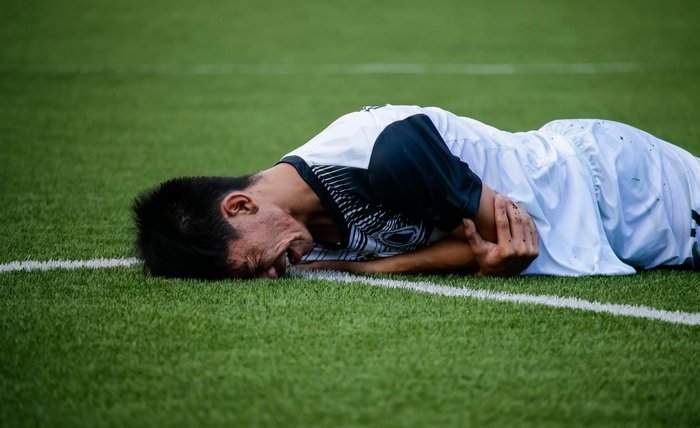
You might be replaying the moment in your mind right now. A ball came out of nowhere, a stray elbow in a crowded game, a fall on the court, and suddenly there was blood, pain, and maybe even a missing tooth. The game stopped. Everyone rushed over. You tried to stay calm, but inside you felt a mix of fear, guilt, and “What do I do now?” as you realized you might need an experienced dentist in Chattanooga end
That is the “before” and “after” of sports dental trauma. One second it is just a game. The next second you are dealing with a chipped, loosened, or knocked out tooth, and you are trying to figure out if this is an emergency, how serious it is, and whether you did the right thing in those first chaotic minutes.
Here is the short version of what you need to know. Dental injuries in sports are common, they can be scary, and they often feel worse in the moment than they actually turn out to be. There are simple, specific steps you can take right away to protect the tooth and the athlete. Then there are follow up steps for the next day that can reduce long term damage and save a smile. You do not have to be a dentist to make good decisions in those first few minutes, but you do need a clear plan.
Common Causes of Sports Dental Injuries
What makes sports dental injuries feel so overwhelming?
The shock usually hits first. There is blood in the mouth, maybe a tooth on the ground, and an athlete who is scared, hurting, and worried about how they look. You might be thinking about the cost of treatment, the impact on school or competitions, or even whether someone is to blame.
On top of that, mouths bleed a lot, which can make even minor injuries look severe. A small lip cut or a chipped tooth can create a scene that feels like an emergency. Because of this tension, you might wonder if you should rush to the ER, wait for a dental visit, or try to handle things yourself.
Types of Sports Dental Injuries and Urgent Care
Some of the most common sports dental injuries include chipped or broken teeth, teeth that are loosened or pushed out of position, and fully knocked out permanent teeth. Mouth cuts, tongue bites, and jaw soreness often show up at the same time. The good news is that many of these can be treated successfully if you act calmly and quickly.
Medical sources like MedlinePlus on dental emergencies confirm that time matters, especially with knocked out permanent teeth. That can feel like a lot of pressure in a short window, which is why having a simple mental checklist can be so reassuring.
What actually needs urgent care and what can wait?
Not every sports related dental trauma needs a siren and flashing lights, but some do need fast, focused action. The challenge is sorting those out when emotions are running high.
Here are a few “what if” situations that often come up on the field or court.
What if the tooth is completely knocked out and it is apermanent tooth, not a baby tooth? This is one of the clearest true emergencies in sports dental trauma. The goal is to keep the tooth moist and get professional help fast. The American Academy of Pediatric Dentistry and related groups emphasize that the first hour is critical for saving the tooth.
What if the tooth is chipped or broken, but still in place? This is usually less urgent than a knocked out tooth. The athlete should still see a general and emergency dentist soon. Sharp edges can cut the lip or tongue, and the inner layer of the tooth might be exposed, which can cause pain and long term sensitivity if left untreated.
What if the tooth feels loose, moved, or “higher” or “lower” than the others? This can mean the tooth and its supporting structures were damaged. It may not require immediate reimplantation, but it does require a prompt dental exam. The tooth may need to be repositioned and stabilized.
What if you are not sure whether the tooth is permanent or baby? For children, this is a common concern. Guidance from the American Academy of Pediatrics on knocked out permanent teeth explains that permanent teeth are usually larger and whiter, and they start appearing around age 6. Baby teeth are not reimplanted, so this difference matters. If you are unsure, treat it as if it might be permanent and get urgent dental advice.
So, where does that leave you when you are standing on the sidelines or in your kitchen staring at a damaged tooth?
How do immediate steps compare with “wait and see” care?
Sometimes people freeze because they are afraid of doing the wrong thing. The risk is that doing nothing can quietly cause more harm than a small, calm action in the moment. To make this clearer, it can help to compare quick action with a “wait and see” approach for common sports dental injuries.
| SITUATION | QUICK, INFORMED RESPONSE | “WAIT AND SEE” RESPONSE | LIKELY OUTCOME |
|---|---|---|---|
| Knocked out permanent tooth | Tooth found, handled by the crown, kept moist in milk or tooth saver, emergency dental visit within 1 hour | Tooth wrapped in tissue or left dry, delayed visit until next day or later | Quick response greatly improves chance of saving the tooth. Dry time reduces survival rates and increases need for root canal or replacement. |
| Chipped or broken tooth | Rinse mouth gently, save broken pieces, cover sharp edge with dental wax or sugar free gum, schedule dental visit soon | No protection for sharp edges, no follow up until pain worsens | Quick care can restore tooth and protect the nerve. Delay can lead to deeper fracture, infection, or higher cost repairs. |
| Loosened or displaced tooth | Soft diet, avoid touching the tooth, see a dentist within 24 hours | Continue normal biting, ignore tenderness | Prompt support can stabilize the tooth. Ignoring it increases risk of tooth loss or bite problems. |
| Lip, cheek, or tongue cuts | Clean gently, apply pressure to stop bleeding, cold compress, seek care if deep or gaping | No cleaning, no pressure, or unnecessary probing | Quick care reduces infection and scarring. Delay can mean more swelling, infection, and more complex repair. |
Guidelines from the International Association of Dental Traumatology support this idea. Calm, structured steps right after an injury can change the long term outcome in a powerful way.
What should you do immediately after a sports dental injury?
When you are in the middle of an emergency, you do not need a textbook. You need three or four clear moves you can remember. Think of these as your sideline script for dental trauma from sports injuries.
1. Protect the athlete first
Check for signs of a more serious head or neck injury. If the athlete lost consciousness, is confused, vomiting, or has trouble moving their jaw or neck, treat this as a medical emergency and seek urgent medical care. Dental treatment can wait if life or brain health is at risk.
Have the athlete sit upright if possible. Encourage slow breathing. Gently rinse the mouth with clean water or saline to see what is really going on. This alone often lowers panic for both you and the injured person.
2. Handle the tooth and mouth with care
If a permanent tooth is knocked out, find it quickly. Pick it up by the crown, which is the white part you see when the tooth is in the mouth. Avoid touching the root. If it is dirty, gently rinse it with clean water. Do not scrub it or use soap.
If you feel confident and the athlete is conscious and cooperative, you can try to gently place the tooth back into the socket and have them bite on a clean cloth to hold it in place. If that feels too stressful, place the tooth in a container with milk, a tooth preservation solution if available, or the athlete’s saliva. Do not store it dry and do not put it in plain water for a long time.
For chipped, broken, or loose teeth, have the athlete avoid biting on that side. If there is a sharp edge, you can cover it temporarily with a bit of dental wax or sugar free gum until a dentist can smooth or repair it.
3. Plan the next 24 hours with a dentist in mind
Even if the athlete feels better after rinsing and the bleeding slows, the mouth still needs professional attention. A general and emergency dentist can check for hidden fractures, root damage, or nerve exposure that you cannot see on the field.
Over the next day, focus on a soft diet, avoiding hot or very cold foods, and using over the counter pain relief as appropriate for age and medical history. Watch for signs that things are getting worse, such as increasing pain, swelling, fever, or a bad taste in the mouth. Those can signal infection or deeper injury.
How can you feel more prepared for the next game?
It is natural to feel shaken after you have seen a sports dental injury up close. You might worry about the next practice or game, or wonder if you could have done more. That worry can be turned into preparation.
Simple steps like using properly fitted mouthguards, knowing which local dentists handle emergencies, and keeping a small kit with gauze, a clean container, and knowledge of tooth preservation options can make you feel much more in control.
The goal is not to remove all risk. Sports will always carry some chance of bumps and falls. The goal is to make sure that when something does happen, you are not relying on guesswork or panic. You have a plan. You know how to protect the tooth, the athlete, and their long term smile.
You have already done one important thing by reading this. You are taking the injury seriously and looking for clear steps instead of ignoring it. With calm immediate care and thoughtful next day follow up, many sports related dental injuries heal well and allow athletes to return to play with confidence.
If you are dealing with an injury right now, reach out to a trusted dental professional as soon as you can and share exactly what happened and when. Ask about same day or emergency care, and do not be afraid to repeat your questions until you understand the plan. You and your athlete deserve that clarity and care.