
Introduction to Orthodontic Treatment
You might be standing at the edge of this decision, wondering if braces are really necessary, how much they will cost, and what the process will feel like for you or your child. Maybe a dentist has suggested a visit to an orthodontist for orthodontics and braces in Festus, MO , or you have noticed crowded teeth in photos and now you cannot unsee it. You want a healthier, more confident smile, but the unknowns between the first consultation and actually getting braces can feel heavy. It helps to know that this journey usually follows a clear path. From the first conversation with an orthodontist to the day the brackets go on, there are a few predictable steps. When you understand those steps, the whole process feels less scary and much more manageable. Why does getting started with braces feel so stressful? You may be asking yourself questions like, “Is this really necessary or just
It helps to know that this journey usually follows a clear path. From the first conversation with an orthodontist to the day the brackets go on, there are a few predictable steps. When you understand those steps, the whole process feels less scary and much more manageable. This guide walks through the 4 steps in the journey from consultation to braces, explains the emotions and decisions at each stage, and gives you simple actions so you feel in control rather than overwhelmed.
Understanding the Stress of Getting Braces
The worry often starts before you ever see an orthodontist. You may be asking yourself questions like, “Is this really necessary or just cosmetic” or “What if we start and then cannot keep up with the cost or the appointments.” If this is for your child, there can be an extra layer of guilt. You might wonder if you waited too long or if they will be self-conscious in school.
On top of that, there is a lot of information online. Some sources talk about early treatment, others say to wait. Some talk about clear aligners, others about traditional braces. It can feel like everyone has an opinion and you are the one stuck in the middle trying to make the right choice.
Because of this tension, you might wonder what actually happens between the first orthodontic visit and the moment braces go on. That is where understanding the step-by-step process can calm your nerves.
The Orthodontic Process
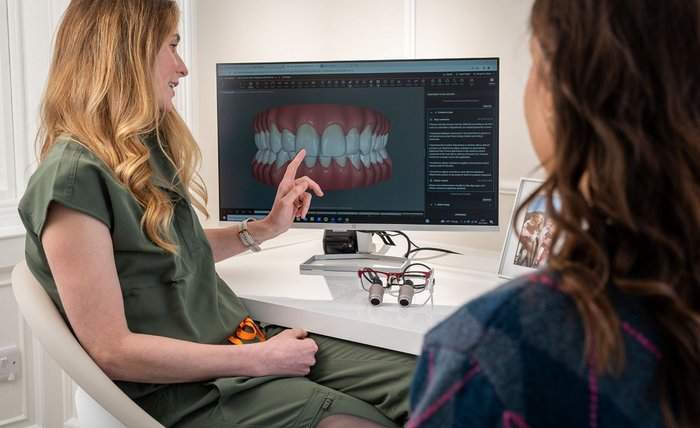
The first step is a consultation with an orthodontist. Think of this as a conversation and a fact-finding visit, not a commitment to treatment. The orthodontist will usually review your medical and dental history, look at your teeth and bite, and often take photos and X-rays. The American Association of Orthodontists explains what to expect at a first orthodontic appointment, and you will see that much of it is simply assessment and planning.
Emotionally, this visit can bring up two opposite reactions. Sometimes you feel relief, because you finally have a professional opinion instead of guesswork. Other times, the diagnosis can be hard to hear. You might learn that the problem is more complex than you thought, or that treatment will take longer than you hoped. Both reactions are normal.
The key purpose of this step is clarity. The orthodontist should explain what is going on with the bite and alignment, what options exist, and whether braces are recommended now or later. You should walk out with more answers than questions, even if you need time to process them.
Step 2: How do you decide on a treatment plan and type of braces?
Once the orthodontist understands your situation, the next step is creating a treatment plan. This is where you discuss whether you need early intervention, full braces, or possibly another orthodontic treatment. The American Dental Association’s MouthHealthy resource on orthodontics explains that treatment is about more than straight teeth. It is also about how your jaws fit together, how you chew, and even how you speak and breathe.
This step often brings financial and emotional questions to the surface. You may be thinking about insurance coverage, monthly payments, missed work or school for appointments, and how visible the braces will be. If you are choosing between traditional braces and other options, such as clear brackets or aligner-style treatment, you might feel caught between cost, appearance, and convenience.
So where does that leave you. It leaves you needing honest information and space to ask questions. A good orthodontist will walk you through the pros and cons of each option, explain how long treatment is likely to take, and outline the total cost and payment options. You are not being difficult if you ask for this detail. You are being responsible.
Step 3: What happens in the preparation phase before braces go on?
Once you agree on a plan, there is usually a preparation phase before the braces appointment. This can include taking more precise records such as detailed digital scans, impressions, and additional X-rays. The orthodontist uses this information to design how each tooth will move over time. The American Association of Orthodontists explains more about different types of braces treatments and why careful planning is so important.
Sometimes, preparation also means addressing other dental needs first. You may need cavities filled, teeth removed, or a cleaning to make sure your mouth is healthy enough for braces. This can feel like a delay, which is frustrating when you are eager to fix the problem. In reality, this step helps protect your long-term dental health and makes the orthodontic work more effective.
During this phase, you might also receive instructions about oral hygiene, diet, or using spacers before the braces are placed. It can feel like a lot of information at once. It is reasonable to ask for written instructions or a summary you can review at home.
Step 4: What should you expect on the day braces are placed?
By the time you reach the day of getting braces, you have usually made the big decisions. Now you are facing the practical side. You may be worried about pain, how long the appointment will take, and whether you will be able to eat normally afterward.
On this day, the orthodontic team will clean and dry your teeth, attach the brackets, and place the archwires that will guide tooth movement. The appointment can take a while, especially if a full set of braces is going on. You might feel pressure or mild soreness later, but usually not sharp pain. Over-the-counter pain relief and soft foods for the first day or two often help.
This is where the “after” part of your story begins. The braces are visible. Adjustments will become part of your routine. You might feel self-conscious at first. With time, many people report that braces become just another part of daily life, especially when they start to see their teeth shifting into better positions.
How do braces compare to doing nothing or choosing other options?
Once you know the four steps, the next question is whether treatment is worth it for you. It can help to compare the journey to braces with doing nothing or trying alternative approaches.
| Option | Short-term impact | Long-term impact | Common concerns |
|---|---|---|---|
| Full journey from consultation to braces | Multiple appointments, soreness after adjustments, visible braces | Improved bite, easier cleaning, reduced wear on teeth, more confident smile | Cost, time commitment, appearance during treatment |
| Delaying or doing nothing | No immediate cost or change to routine | Possible worsening crowding or bite, higher risk of tooth wear or gum issues, missed chance to guide growth in children | Regret about not treating earlier, potential for more complex treatment later |
| Non-professional or “DIY” methods | May seem cheaper and faster at first | Risk of serious damage to teeth and gums, unstable results, possible tooth loss | Lack of professional oversight, no personalized plan, no legal or medical protections |
When you look at it this way, the braces treatment journey is not just about straightening teeth. It is about weighing short-term inconvenience against long-term health and confidence, and doing so with the guidance of a trained orthodontist.
Three actions you can take now to move forward with confidence
1. Write down your questions before you see an orthodontist
Before your consultation, take ten quiet minutes to list your concerns. Include questions about cost, length of treatment, pain, appearance, and how braces might affect work or school. Bring this list to the appointment. When you feel anxious, it is easy to forget what you meant to ask. A written list keeps you focused and ensures you leave with clearer answers about your orthodontic treatment journey.
2. Ask for a clear written treatment and cost summary
After the orthodontist recommends a plan, request a written summary. It should include what type of braces are suggested, estimated treatment time, total cost, what insurance may cover, and payment options. This helps you compare choices calmly at home rather than feeling pressured in the moment. It also gives you something concrete to discuss with a partner or family member.
3. Prepare for the first weeks with braces
If you decide to move forward, set yourself up for a smoother start. Stock up on soft foods like yogurt, soup, and pasta for the first few days after braces are placed. Ask the orthodontic team to show you exactly how to brush and clean around the brackets. Consider keeping orthodontic wax and a small travel toothbrush with you. Taking these small steps reduces daily stress and helps you adjust faster.
Where do you go from here?
You do not have to go from confused to fully committed in one leap. Your next step can simply be gathering information, asking questions, and giving yourself permission to take this journey one stage at a time. The path from consultation to braces is structured and predictable, even if it feels emotional and messy on the inside.
As you move through these four steps, remember that you are allowed to pause, to think, and to seek clarity. You are not just fixing teeth. You are investing in health, comfort, and confidence that can last for years. With the right orthodontist and a clear understanding of each phase, this journey becomes far less intimidating and much more manageable.