
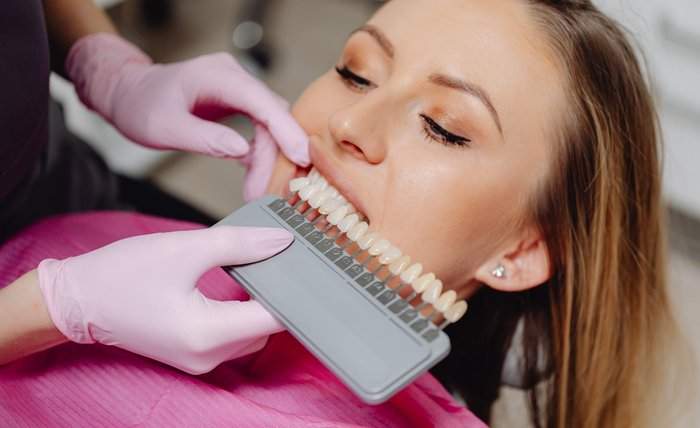
You might be feeling a mix of excitement and impatience right now. You are finally straightening your teeth, you are sitting through appointments, adjustments, maybe even dealing with sore cheeks or aligner fatigue. At the same time, you are looking in the mirror and thinking, “If my teeth are going to be straight, I want them to be white too.” That makes sense. You are not being vain. You are just trying to picture the real “after” version of your smile, and you want to get the timing right, especially if you’re also considering Van Nuys emergency dental treatment.
Because there is so much information online, it is easy to get lost. Some people say whiten before braces. Others say whiten during aligners. Someone else warns you that whitening with braces could leave uneven patches. So you end up stuck, worried that one wrong move will undo all the effort you are already putting into orthodontic treatment.
Understanding the Basics of Teeth Whitening and Orthodontic Treatment
Here is the short version so you can breathe. Teeth whitening and orthodontic treatment can absolutely work together. The timing just needs to respect how your teeth move, how your enamel responds, and which tools you are using. Most people get their best, most even result by focusing on alignment first, then whitening right after brackets or attachments come off, with good hygiene the whole way through.
Why Does Whitening Feel So Confusing During Braces or Aligners?
Orthodontic treatment is already a long journey. You are investing time, money, and daily effort, so it is natural to want everything to move faster. When you see friends whitening with strips or gels, you may wonder why you cannot just do the same and be done with it.
The tension comes from a simple question. Your orthodontist is focused on moving teeth safely. You are focused on how your smile actually looks in photos and in everyday life. Because of this tension, you might wonder where teeth whitening in an orthodontic treatment plan truly fits without causing new problems.
Common “What If” Scenarios
Think about a few common “what if” scenarios.
What if you whiten with braces on your front teeth, then the brackets come off and you see darker squares where the brackets used to be. The whitening gel never reached that covered enamel. Or what if you whiten aggressively with at home kits while your teeth are being moved. Your teeth might already be a bit sensitive from movement. Whitening can increase that sensitivity, which can make everyday tasks like drinking cold water feel miserable.
On the other hand, what if you wait until after your braces or aligners, but never really clean around your brackets or attachments during treatment. Plaque and early enamel changes can build up. When you finally whiten, the color might look patchy because the enamel surface is not healthy or even.
So where does that leave you. It helps to understand what is happening in your mouth before, during, and after orthodontic care.
What is happening to your teeth before, during, and after orthodontics?
Before treatment, most people start with a mix of crowding, spacing, or bite issues. Your orthodontist is already thinking several steps ahead about how your teeth, gums, and jaw will respond. That includes how you brush, what you eat, and whether you are at risk for staining or decalcification. If you want a sense of the kind of guidance professionals give patients about their role at each stage, you can look at this helpful patient guide from 3M on your role before, during, and after orthodontic treatment: 3M orthodontic care timeline.
During treatment, a few things change that matter for whitening.
- Your teeth are moving, which can cause temporary sensitivity.
- Brackets, wires, or clear aligner attachments change how well whitening products can reach the enamel.
- Cleaning gets harder, especially around gumlines and between brackets.
After treatment, your teeth have reached their planned positions. The enamel is exposed evenly. Retainers help keep everything stable. This is the moment most orthodontic and cosmetic dentists recommend as the safest time to do a more focused whitening treatment, because you can get even coverage and your bite is settled.
Research supports being thoughtful about how and when you whiten. For example, clinical studies on whitening agents show that different gels can affect enamel and sensitivity in specific ways. A recent review in the National Library of Medicine outlines how hydrogen peroxide based products can change the surface of enamel if not used correctly and stresses the importance of professional supervision: clinical review on tooth whitening and enamel.
Should you whiten before, during, or after orthodontic treatment?
There is no single right answer for everyone. The best timing depends on what type of orthodontic treatment you are using and what your goals are. Still, there are patterns that help guide decisions for most people.
Here is a simple comparison that often helps during the planning conversation.
| TIMING | PROS | CONS | BEST SUITED FOR |
|---|---|---|---|
| Before orthodontic treatment | Nice confidence boost before braces or aligners No brackets or attachments blocking gel | Color can shift again during treatment Possible extra sensitivity as teeth begin moving | Adults with mild crowding who want a quick refresh before starting |
| During clear aligner treatment | Aligner trays can sometimes double as whitening trays Good option for minor, gradual brightening | Not all gels are safe to use with aligners Attachments may still create tiny shade differences | Patients using aligners who want gentle, supervised whitening |
| During braces (metal or ceramic) | Can freshen exposed areas slightly | Risk of lighter areas around brackets Harder to control even coverage | Usually only for very mild, dentist guided touch ups |
| After all orthodontic treatment | Even access to all tooth surfaces Color change matches final tooth positions | Requires patience to wait until the end | Most patients who want a strong, even whitening result |
If you are aiming for the most predictable result, whitening after your braces or attachments come off is usually the safest path. Many people see that as the final step in their orthodontic and teeth whitening journey. The smile is straight. Then the color is refined.
What practical steps can you take right now?
So where does that leave you today, while you are still in the middle of treatment or thinking about starting. You do not have to settle for stained teeth while you wait, and you do not have to rush into risky at home options either.
1. Have a clear “smile timeline” conversation with your orthodontist
Ask your orthodontist or cosmetic dentist to walk you through your full smile plan. Not just the tooth movement, but the color and the final finish.
- Ask, “When would you recommend whitening for my specific case and why.”
- Share any sensitivity you already have, as whitening can increase it.
- If you use aligners, ask whether your trays can safely be used with a professional whitening gel.
A good provider will welcome these questions. You are not being difficult. You are being intentional.
2. Protect your enamel and avoid new stains during treatment
Even if you are not whitening yet, you can protect the “canvas” so your future whitening looks better and more even.
- Brush carefully around brackets, wires, or attachments at least twice a day.
- Use interdental brushes or floss threaders to clean between teeth.
- Rinse with water after coffee, tea, red wine, or dark sauces. This helps limit new staining.
- Ask about fluoride or remineralizing products if you are at risk for white spots.
Think of this as laying the groundwork. The healthier and cleaner your enamel is, the more natural your whitening result will look later.
3. Choose professional guidance over random DIY kits
It can be tempting to grab the strongest whitening kit online, especially when you see before and after photos. During orthodontic treatment, that choice can backfire.
- Over the counter strips rarely fit smoothly around brackets or attachments.
- Unsupervised gels can be too strong for already sensitive teeth.
- Mismatched shades can appear if some areas are blocked by orthodontic hardware.
Instead, ask your orthodontist or cosmetic dentist about options that fit your stage of treatment. That might be a gentle in office polish, a low concentration gel used with custom trays, or a planned whitening series right after your braces or aligners finish.
Bringing it all together without rushing your smile
You are allowed to want more than straight teeth. You are allowed to want a bright, confident, camera ready smile. That does not mean you have to rush or do everything at once. It simply means you deserve a plan that respects both the health and the beauty of your teeth.
When you understand how cosmetic dental whitening fits into your orthodontic treatment timeline, you can stop guessing. You can focus on doing your part during treatment, then enjoy that final moment when the braces or aligners come off and the whitening finishes the transformation.
Your next step is simple. Bring up whitening at your next orthodontic visit. Ask for a clear plan, from today all the way through to your final smile. You do not have to figure this out alone, and you do not have to choose between healthy alignment and a bright, even color. With the right timing and guidance, you can have both.