
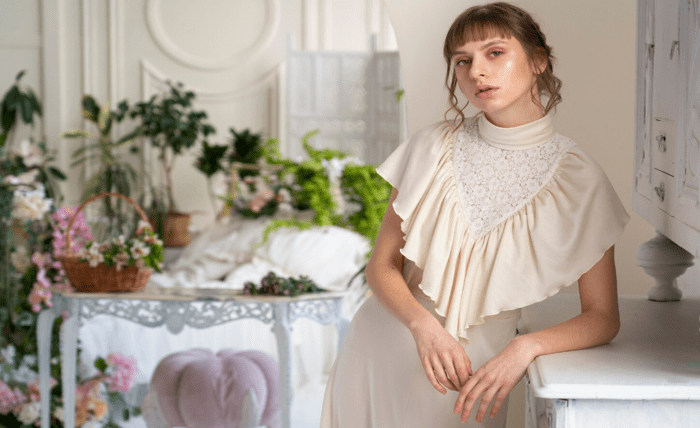
Attending a Renaissance fair can be a delightful experience, transporting you to a time of knights, jesters, and elaborate feasts. However, crafting the perfect outfit can seem daunting. You might assume you need a complete costume from a specialty shop, but the truth is, you can create a stunning outfit from everyday wardrobe staples. In this guide, we’ll explore how to assemble a Renaissance fair outfit that not only looks authentic but also fits seamlessly into your daily wardrobe.
Understanding the Renaissance Aesthetic
The Renaissance era was rich in style, often characterised by flowing silhouettes, intricate patterns, and a fascination with natural fabrics. Think layers, earthy tones, and textures that speak to the pastoral life of the period. Embracing this aesthetic doesn’t have to cost a fortune or require an entirely separate wardrobe. Instead, you can incorporate a few key pieces that complement your existing attire.
Essentials for Your Outfit
- Base Layer: The Tunic
A tunic is perhaps one of the most essential items in a Renaissance outfit. It serves as a versatile base that you can easily layer. Look for a long, loose-fitting shirt that might already be in your wardrobe. Ideally, it should have slightly wider sleeves and fall mid-thigh to maintain that characteristic look. Choosing natural fabrics like cotton or linen will enhance comfort and breathability, which is especially important for day-long wear.
While you might not have a traditional tunic, many modern shirts can mimic the look. Consider button-ups or oversized blouses in muted colours. If you want to go further, you can explore retailers devoted to historical attire, which often offer flowing garments with historical charm that can double as everyday wear.
- Bottoms: Flowing Skirts or Trousers
Your choice of bottoms can greatly influence the overall effect of your outfit. For women, an ankle-length skirt in a natural fabric can encapsulate the essence of a Renaissance lady. However, you don’t necessarily have to buy a specific costume skirt. Maxi skirts in your existing wardrobe can easily convey the same feel, especially when paired with the right top.
Men might opt for loose-fitting trousers, which are both comfortable and representative of the time. Look for trousers with a relaxed fit that can be worn with belts. Earthy tones will resonate well with the historical theme, so consider colours like browns, greens, or even deep reds.
Layering: The Cloak or Cape
Adding a cloak or cape can instantly elevate your Renaissance outfit to a new level. If you don’t already own one, capes can often be made from materials you have on hand, such as thick blankets or shawls. Drape it over your shoulders for that royal flair.
Alternatively, if you’re more inclined towards practicality, a well-tailored jacket can also achieve a similar effect. Ensure it has a flowing silhouette to maintain the essence of Renaissance attire.
Accessorising Your Look
Once you have the foundational pieces, it’s time to think about accessories, which play a vital role in completing your Renaissance look.
Belts and Sashes
A simple belt can serve both function and style. Opt for fabric or leather belts that can be tied around your waist, giving a defined silhouette. This detail adds an authentic touch that can be easily adjusted for comfort.
Footwear
Your choice of shoes can make or break your outfit. Look for sturdy sandals or ankle boots that offer comfort for walking. If you have leather boots, they can also work well, especially if they have a slightly rustic appearance.
Headpieces
Adding a headpiece can add a fun, whimsical element to your ensemble. Ribbons, flowers, or even simple headbands can evoke that pastoral feeling. If you’re feeling adventurous, think about a simple crown or a felt hat to play the part of a noble or a peasant.
Crafting the Final Touches
To complete your look, think about how to position your attire in a manner that feels natural and effortless. You don’t have to aim for a perfectly polished look; instead, embrace the idea of “worn in” beauty that reflects the aesthetics of the Renaissance period.
- Layer Wisely: Aim for a combination of textures and lengths. A longer tunic under a flowing skirt creates an engaging silhouette.
- Mix and Match: Don’t shy away from playful patterns or colours. Appropriate layering can accomplish the goal of treasuring individual pieces in a historically cohesive look.
- Seasoned with Care: These items should be comfortable enough for a day of activities. When selecting fabrics, think about their seasonality, ensuring your outfit works for both warmth and comfort.
Conclusion
Creating a Renaissance fair outfit doesn’t require a financial investment or a complete wardrobe overhaul. By creatively using pieces you already own, you can assemble an ensemble that captures the spirit of the era while remaining practical for daily wear. Consider investing in a few flowing garments with historical charm to elevate your closet, and remember to have fun with your selections. After all, a Renaissance fair is as much about enjoying the experience as it is about the outfit.