
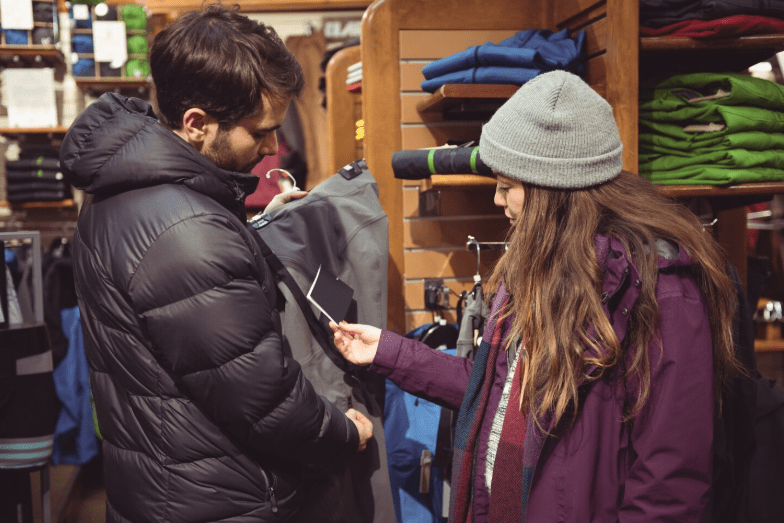
Winter camping has a way of filtering out the crowds and rewarding those willing to embrace the cold. The trails are quieter, the landscapes are transformed, and there’s a particular satisfaction in waking up surrounded by snow with a hot coffee in hand. But a successful winter camping experience starts long before you leave the driveway, it starts with the right gear, the right habits, and above all, the right shelter.
Dress in Layers, Always
The most common mistake among beginner winter campers is either overdressing at the start of the day or underdressing for the night. The key is a proper layering system: a moisture-wicking base layer to keep sweat away from your skin, an insulating mid-layer to trap warmth, and a waterproof outer shell to block wind and snow. This applies whether you’re hiking to your campsite or simply stepping outside your trailer in the morning.
Manage Moisture Before It Becomes a Problem
Cold air holds less moisture than warm air, which means that inside a heated shelter, condensation is a constant challenge. Every breath, every meal cooked, every wet jacket brought in from outside adds humidity to the air. Left unmanaged, that moisture settles on walls, windows and cabinets, and eventually leads to mold and structural damage. The solution is simple but non-negotiable: ventilate regularly, run a dehumidifier, and dry wet gear outside whenever possible.
Choose Your Shelter Wisely
Your shelter is the single most important decision you’ll make for winter camping. A tent rated for three seasons will struggle in true winter conditions. A poorly insulated trailer will leave your heating system running constantly while still failing to keep you comfortable. If you’re serious about camping through the winter months, investing in a genuine 4-season travel trailer is worth every dollar. Look for high R-value insulation on all surfaces, freeze-protected plumbing, a sealed-combustion heating system, and double-pane windows; these aren’t optional extras, they’re the baseline for a safe and comfortable winter stay. Liberté Caravans builds travel trailers specifically for these demanding conditions. The result is one of the most capable four-season travel trailers available in Canada. Explore the complete specifications on the Liberté Caravans website.
Plan Your Energy Source
Power management is often overlooked until it becomes urgent. In winter, batteries discharge faster in the cold, solar panels produce less energy on short overcast days, and heating systems consume more fuel than in milder seasons. Before heading out, know your power setup: how long will your battery bank last overnight? Do you have a backup heat source? Is your solar system rated for low-temperature operation? These questions have simple answers, but only if you ask them before you leave.
Keep Your Water System From Freezing
A frozen water system can end a trip abruptly and cause expensive damage. Whether you’re in a trailer or a cabin, the principles are the same: insulate your water lines, keep your interior temperature above freezing at all times, and know how to drain your system quickly if needed. In a properly equipped four season travel trailer, freeze protection is built into the design, heat trace wiring on the pipes, heated or insulated tanks, and accessible drain points even in deep cold. If your trailer doesn’t have these features, winter camping will always carry an element of risk.
Embrace the Pace
Winter camping moves slower than summer camping, and that’s the point. Days are shorter, conditions require more attention, and the environment demands more respect. Embrace that pace rather than fighting it. Cook a real meal, stay hydrated, go to bed when it gets dark and wake up with the light. Winter camping rewards people who slow down and pay attention, and punishes those who try to rush it.