You might already know what you are supposed to do. Brush twice a day. Floss more often. Cut back on sugar. Keep your dental visits with dentists in Franklin Parish. And yet real life gets in the way, routines slip, and small gaps in care can turn into bleeding gums, tooth pain, bad breath, or the quiet worry that something is being missed. That can feel frustrating, especially when oral care seems simple on paper but harder to keep up with day after day.
That is where How General Dentists Help Patients Create Sustainable Oral Care Habits becomes more than a nice idea. A general dentist does not just clean teeth or fill cavities. They help you build routines that fit your schedule, your health needs, and your habits, so oral care becomes easier to maintain over time. When that happens, home care feels less like a guilt trip and more like something you can actually stick with.
Why do healthy dental routines break down even when you mean well?
Most people do not struggle because they do not care. They struggle because habits are shaped by time, stress, energy, money, and comfort. If brushing makes your gums bleed, you may avoid flossing. If your mornings are rushed, two full minutes can feel longer than they sound. If you had painful dental visits in the past, even a simple checkup can bring tension.
Because of this, oral hygiene often becomes reactive. You do more when something hurts, then less when it feels better. Over time, that cycle can lead to plaque buildup, gum disease, and treatment costs that feel avoidable in hindsight. The CDC’s oral health tips for adults make a simple point that matters here. Daily care and regular dental visits work best together, not apart.
So, where does that leave you if your routine keeps starting and stopping? It means the problem may not be motivation. It may be that your routine has never been shaped around your real life.
How can a general dentist turn good advice into lasting oral health habits?
A good dentist looks at patterns, not just problems. If you keep getting cavities in the same places, there may be a brushing angle issue. If your gums stay inflamed, your flossing technique may need adjusting. If dry mouth is raising your cavity risk, your dentist may ask about medications, hydration, or mouth breathing. This is the quiet value of sustainable oral care habits. They are personal, not generic.
For example, imagine you brush every night but skip the morning because you run late. A dentist may help you shift the routine instead of just repeating the rule. They might suggest keeping a toothbrush at work, using a timer, or pairing brushing with something you never miss, like your first cup of coffee. If flossing feels awkward, they may show you a different method or recommend tools that are easier to handle.
The National Institute of Dental and Craniofacial Research offers clear guidance on oral hygiene basics, but many people still need help applying that guidance in a way that lasts. That is often where a general dentist makes the biggest difference. They help translate advice into a routine you can repeat even on busy days.
What practical support makes preventive dental care easier to maintain?
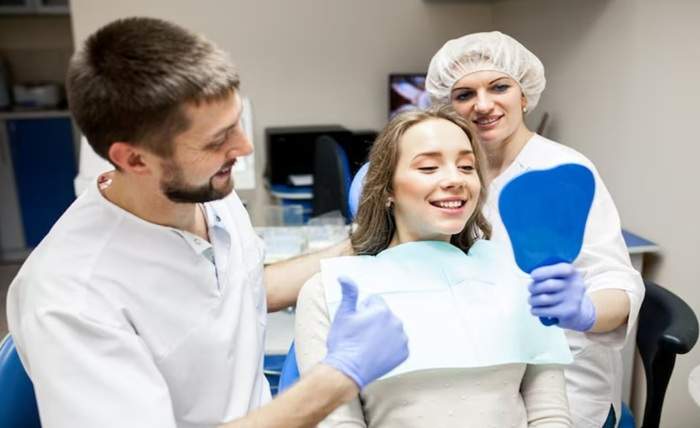
Support usually works best when it is specific. Instead of saying “brush better,” your dentist may point out where plaque collects, how hard you are brushing, or whether your toothbrush bristles are too worn. They may also track change over time, which matters more than one perfect week. This kind of feedback can make preventive dental care feel more manageable because it gives you a clear next step.
If you want a simple way to think about it, compare what happens when you rely only on guesswork at home versus when a dentist helps guide the process.
| SITUATION | DIY ROUTINE WITHOUT GUIDANCE | ROUTINE SUPPORTED BY A GENERAL DENTIST |
| Brushing | You may brush long enough but miss the gumline or back teeth. | You get technique feedback and can adjust pressure, angle, and timing. |
| Flossing | You may floss inconsistently or stop if your gums bleed. | You learn whether bleeding points to technique, inflammation, or both. |
| Product choices | You may buy what is popular, not what fits your needs. | You get recommendations based on sensitivity, gum health, or cavity risk. |
| Early warning signs | Small issues can go unnoticed until pain starts. | Regular exams can catch problems earlier, often with simpler treatment. |
| Long term cost | Delayed care can lead to larger bills later. | Prevention often lowers the chance of more costly treatment. |
Even technique matters more than many people realize. If you have ever wondered whether you are flossing correctly, this guide to toothbrushing techniques and self flossing can help you see where small changes make a real difference.
What can you do right now to build better oral care habits?
- Make your routine smaller, not bigger.
If your current plan feels hard to keep, strip it down to the core. Brush for two minutes twice a day and clean between your teeth once a day. If that still feels uneven, anchor one step to an existing habit, like brushing right after getting dressed or flossing before your evening shower. A smaller routine you repeat is worth more than an ideal routine you abandon.
- Pay attention to friction.
Notice what keeps getting in your way. Is floss painful? Is your toothpaste too harsh? Do you forget at night because you are tired? Once you identify the friction, the fix gets easier. A softer brush, floss picks, a mirror check, or changing the time of day can remove enough resistance to help the habit stick.
- Use dental visits as habit checkups, not just problem visits.
Try to treat each appointment as a chance to fine tune your routine. Ask where you are improving and where plaque or inflammation is still showing up. Ask whether your technique is working for your mouth, not just for people in general. That shift can turn a cleaning into a practical planning session.
What happens when your oral care routine finally fits your life?
When your habits become realistic, you stop relying on guilt and start relying on rhythm. Your mouth feels cleaner, your gums calm down, and dental visits often feel less stressful because there are fewer surprises. That is the real value in how general dentists help patients create sustainable oral care habits. They help you move from knowing what to do to actually living it.
If you have been stuck in the cycle of starting over, you do not need perfection. You need a routine that works on ordinary days, not just your best ones. Schedule a visit with a general dentist and use that time to build habits you can keep.