Travel takes on a whole new meaning when you swap a packed tour bus for a handful of companions and a more active itinerary. You might hike through unfamiliar landscapes or paddle quiet waterways, places larger groups will struggle to reach. A little preparation can help you fully enjoy and appreciate these experiences.
Understanding small-group adventure travel
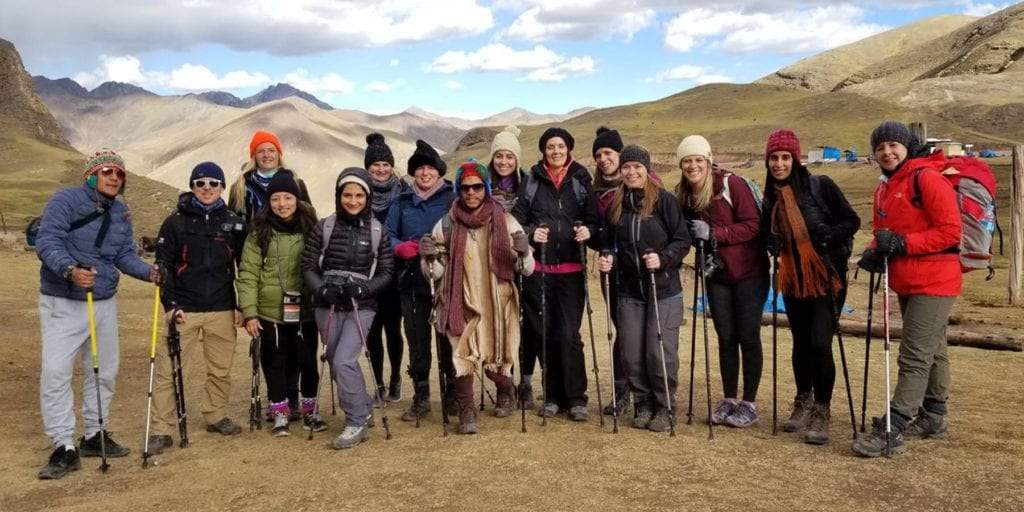
Small-group trips combine the support of organized travel with more flexibility than you usually get on a large tour. You share transportation, activities, and some meals with the same travelers, which gives you time to form genuine connections without having to navigate every detail alone.
Smaller numbers can also participate in experiences that would feel impractical with a crowd. Your group might hike a narrow mountain trail or kayak along a remote coastline. Depending on your interests, adventure vacations can involve cycling, wildlife watching, rafting, trekking, or cultural activities alongside more relaxed sightseeing.
Look closely at the trip style before booking. An itinerary described as “moderate” could still include several hours of walking each day, so check distances, elevation changes, accommodation types, and expected fitness levels rather than relying on labels alone.
Preparing physically and mentally for active travel
You don’t need to train like an athlete, but your body should recognize the kind of activity you’ll encounter. If your itinerary includes regular hikes, for example, gradually increase your walking distance over several weeks and practice on hills while wearing the shoes you plan to take. This approach helps you identify uncomfortable footwear before a blister interrupts your trip.
Research each day of the itinerary and test unfamiliar gear at home. Carrying your loaded daypack on a training walk can reveal whether its straps rub or whether you have packed more weight than you comfortably need.
Mental preparation matters too. Weather changes, transportation runs late, and group members move at different speeds. Expecting some uncertainty makes those moments easier to handle as part of the experience rather than as problems that spoil it.
Health and wellness on the road
Active days can disrupt your normal eating, sleeping, and hydration habits. Drink regularly rather than waiting until you feel thirsty, particularly in hot climates or at higher elevations. Pack familiar snacks for long activity days and give yourself enough time to recover after demanding outings.
Pay attention to small physical problems before they grow. A hot spot on your heel can become a painful blister after another five miles, while fatigue can affect your balance and concentration. Before departure, check current health and travel guidance for your destination and discuss any personal concerns with an appropriate healthcare professional.
You’ll also spend plenty of time with other people. Taking a quiet walk or enjoying some downtime alone can restore your energy without distancing you from the group.
Making the most of your experience
Your fellow travelers can become part of what makes the journey memorable. Join conversations and try activities that sit slightly outside your usual routine when you feel comfortable doing so.
Stay curious about the communities you visit rather than treating them as scenery. Learning a few local phrases or asking a guide about everyday customs can turn a brief encounter into something you remember clearly.
Take photos and notes, but also leave room to experience moments without documenting everything. After you return, exchanging pictures or keeping in touch with people you connected with can extend those shared memories, and reflecting on what challenged or surprised you may help shape where you choose to go next.